PCOS vs PCOD: Key Differences, Symptoms, Causes & Treatment Options
If you’ve recently heard the terms PCOS and PCOD mentioned by your doctor, you’re probably wondering whether they’re the same thing or if one is worse than the other. The confusion is completely understandable—these two acronyms are often used interchangeably, yet they represent different medical conditions that require distinct approaches to management and treatment. Understanding the differences between them could be the key to getting the right diagnosis and the most effective care for your health.
In this comprehensive guide, we’ll break down everything you need to know about PCOS vs PCOD, explore the symptoms you might experience with each condition, discuss the root causes, and walk you through the available treatment options. Whether you’re researching for yourself or a loved one, this article will help clarify the confusion and empower you to make informed healthcare decisions.
What Do PCOS and PCOD Mean?
Let’s start with the basics. Understanding what these terms actually mean is the first step toward clarity.
PCOS Meaning
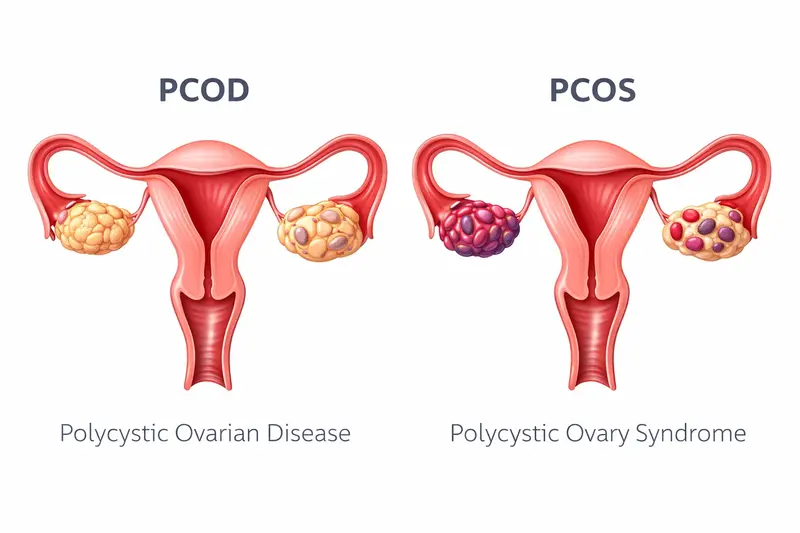
PCOS stands for Polycystic Ovary Syndrome, and it’s recognized as an endocrine disorder by medical organizations worldwide, including the American College of Obstetricians and Gynecologists (ACOG). It’s not simply a reproductive issue—it’s a metabolic condition that affects hormone levels throughout the body.
In PCOS, the ovaries produce unusually high levels of androgens (male hormones), which can interfere with ovulation. The condition is also characterized by insulin resistance in many cases, meaning your body doesn’t respond properly to insulin, which can lead to metabolic complications.
PCOD Meaning
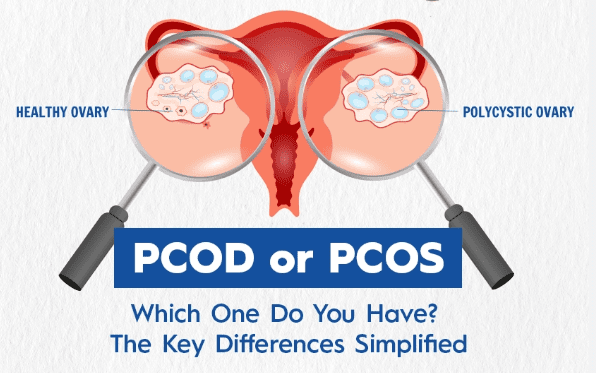
PCOD stands for Polycystic Ovarian Disease. This is actually an older term that was commonly used before the medical community standardized the terminology. PCOD essentially refers to the presence of multiple cysts on the ovaries without necessarily meeting all the diagnostic criteria for PCOS as a full endocrine syndrome.
The key distinction: PCOS is a recognized medical syndrome (a collection of symptoms and signs that occur together), while PCOD is sometimes used more loosely to describe ovarian cysts without the complete metabolic picture.
PCOS vs PCOD Difference: What Sets Them Apart?

While these terms are sometimes used interchangeably in casual medical conversations, there are important PCOS and PCOD differences to understand.
Diagnostic Criteria
PCOS follows the Rotterdam Criteria, which requires at least two of the following three conditions:
- Irregular or absent periods (anovulation)
- Signs of high androgens (either clinical or biochemical)
- Polycystic appearance on ultrasound
Additionally, PCOS is diagnosed only after other conditions with similar symptoms have been ruled out.
PCOD, by contrast, is more loosely defined. It’s sometimes used to describe the simple presence of multiple cysts on the ovaries, even without the full hormonal imbalances that characterize PCOS.
Metabolic Impact
PCOS typically involves significant metabolic dysfunction. Women with PCOS often experience:
- Insulin resistance
- Increased risk of type 2 diabetes
- Higher cardiovascular risk
- Weight management challenges
PCOD, being primarily an ovarian issue, may not involve the same degree of metabolic complications, though this varies from person to person.
Symptom Severity
Generally, PCOS vs PCOD which is worse comes down to individual cases, but PCOS tends to present with more systemic symptoms due to its endocrine nature, whereas PCOD symptoms may be more localized to reproductive issues.
PCOS Symptoms: What to Watch For
PCOS symptoms vary widely from person to person, and some women experience mild symptoms while others deal with more significant health impacts.
Reproductive Symptoms
- Irregular periods: Periods may be infrequent, heavy, or completely absent
- Difficulty conceiving: Many women with PCOS struggle with infertility
- Miscarriage risk: There’s an increased risk of early pregnancy loss
Hormonal Symptoms
- Excess hair growth (hirsutism): Often on the face, chest, back, or abdomen
- Acne: Persistent acne that doesn’t respond well to standard treatments
- Hair loss: Thinning hair or male-pattern baldness
- Darkened skin patches: Dark patches of skin (acanthosis nigricans), particularly in skin folds
Metabolic Symptoms
- Weight gain: Difficulty losing weight despite efforts
- Fatigue: Persistent tiredness and low energy levels
- Mood changes: Depression and anxiety may be more common
Other PCOS Symptoms
- Sleep issues: Sleep apnea is more common in women with PCOS
- Pelvic pain: Discomfort or pain in the pelvic region
- Skin tags: Small, benign growths on the skin
PCOD Symptoms: What Women Experience
PCOD symptoms tend to focus more on reproductive and ovarian-related issues, though there can be overlap with PCOS.
Common PCOD Symptoms
- Irregular menstrual cycles: The most prevalent symptom
- Heavy or prolonged periods: Some women experience excessive menstrual bleeding
- Pelvic pain or discomfort: Especially during the menstrual cycle
- Difficulty getting pregnant: Ovulatory dysfunction can impair fertility
- Mild hormonal changes: May include some acne or hair growth, but often less severe than PCOS
- Ovarian cysts: Visible on ultrasound, often causing discomfort
Key Differences in Presentation
While PCOS often comes with insulin resistance and metabolic issues alongside reproductive symptoms, PCOD symptoms tend to remain more localized to the ovaries and menstrual cycle. However, it’s important to note that some women diagnosed with PCOD may actually have PCOS—proper diagnostic testing is essential.
What Causes PCOS and PCOD?
Understanding the root causes can help you better manage these conditions.
PCOS Causes
The exact cause of PCOS isn’t fully understood, but research suggests several contributing factors:
Insulin Resistance: About 70% of women with PCOS have insulin resistance. When cells don’t respond properly to insulin, the pancreas produces more to compensate, and excess insulin stimulates the ovaries to produce more androgens, disrupting ovulation.
Genetic Factors: PCOS tends to run in families. If your mother or sister has PCOS, your risk is higher.
Inflammation: Women with PCOS often have elevated levels of inflammation, which may stimulate androgen production.
Hormonal Imbalances: Abnormalities in how the hypothalamus and pituitary gland regulate hormones may play a role.
PCOD Causes
The causes of PCOD are similarly not entirely clear but may include:
- Hormonal imbalances: Though usually less severe than in PCOS
- Ovarian cyst development: The exact reason cysts form isn’t always understood
- Genetic predisposition: Family history may increase risk
- Lifestyle factors: Diet, stress, and lack of physical activity may contribute
PCOS Treatment: Management and Solutions
Treatment for PCOS is individualized based on your specific symptoms and health goals, whether you’re concerned about fertility, hormonal balance, or metabolic health.
Lifestyle Modifications
Diet: A balanced, low-glycemic diet can improve insulin sensitivity. Many women benefit from reducing refined carbohydrates and increasing fiber intake.
Exercise: Regular physical activity helps improve insulin sensitivity and supports weight management. Aim for at least 150 minutes of moderate-intensity exercise weekly.
Stress Management: Techniques like yoga, meditation, and therapy can help manage stress-related hormonal fluctuations.
Sleep: Quality sleep is crucial for hormone regulation. Aim for 7-9 hours nightly.
Medical Treatment for PCOS
Hormonal Contraceptives: Birth control pills can regulate periods and reduce androgen levels.
Anti-androgen Medications: Spironolactone can help reduce excess hair growth and acne.
Metformin: Improves insulin sensitivity and can help regulate periods and improve fertility.
Inositol Supplements: Some research suggests inositol can improve ovulation and reduce PCOS symptoms.
Fertility Treatments: If conception is the goal, medications like letrozole or clomiphene citrate may be used to induce ovulation.
Surgical Options
In cases where conservative treatment doesn’t work, laparoscopic ovarian surgery (ovarian drilling) may be considered to improve ovulation.
PCOD Treatment: Addressing the Condition
PCOD treatment typically focuses on symptom management and restoring regular ovulation.
Conservative Management
Regular Monitoring: Ultrasounds to track cyst development and ovarian health.
Hormonal Regulation: Hormonal contraceptives to regulate menstrual cycles and reduce associated discomfort.
Pain Management: Over-the-counter or prescription pain relievers for pelvic discomfort.
Lifestyle Adjustments: Similar to PCOS management, including diet and exercise modifications.
Medical Interventions
Fertility Medications: If pregnancy is desired, ovulation-inducing medications may be prescribed.
Surgical Drainage or Removal: In cases of large, problematic cysts, minimally invasive procedures may be recommended.
When Should You See a Doctor?
It’s important to seek medical attention if you experience:
- Irregular or absent periods lasting more than a few months
- Difficulty conceiving after trying for several months
- Significant excess hair growth or hair loss
- Severe acne that doesn’t respond to standard treatment
- Persistent pelvic pain
- Unexplained weight gain or difficulty losing weight
If you’re experiencing any combination of these symptoms, schedule an appointment with your healthcare provider for proper evaluation and diagnosis.
Why Choose SurgiKure for Women’s Health in Hyderabad?
At SurgiKure, we understand that conditions like PCOS and PCOD require compassionate, comprehensive care from specialists who truly listen to your concerns. Our surgical clinic in Hyderabad is equipped with state-of-the-art diagnostic and treatment facilities, and we have additional locations in Visakhapatnam and Vijayawada to serve more patients across Andhra Pradesh.
Our Expertise
Our experienced surgeons and gynecologists specialize in diagnosing and treating reproductive health conditions with the latest techniques and technology. We offer:
- Advanced Diagnostic Imaging: Detailed ultrasound and imaging to accurately diagnose PCOS vs PCOD
- Minimally Invasive Surgical Options: Including laparoscopic procedures when needed
- Laser Treatment: For certain related conditions, we offer advanced laser treatment options to provide more precise, less invasive solutions
- Personalized Treatment Plans: Every patient’s condition is unique, and we develop tailored treatment strategies
- Compassionate Care: We believe in treating the whole person, not just the diagnosis
Real Clinical Images Available
During your consultation at SurgiKure, we can share real clinical images and case studies that help you understand your condition better and what to expect from different treatment approaches. Our transparency and patient education are core to our practice philosophy.

Key Takeaways
- PCOS is a recognized endocrine syndrome affecting hormones, metabolism, and reproduction, while PCOD refers more loosely to the presence of ovarian cysts
- PCOS symptoms typically include irregular periods, excess androgens (hair growth, acne), and metabolic issues like insulin resistance
- PCOD symptoms focus more on reproductive issues like irregular periods and pelvic discomfort
- PCOS vs PCOD which is worse depends on individual cases, but PCOS generally involves more systemic health implications
- Treatment ranges from lifestyle modifications and medications to minimally invasive surgical options
- Proper diagnosis is essential for appropriate management
Frequently Asked Questions
Q: Are PCOS and PCOD the same thing?
A: Not exactly. PCOS is a recognized syndrome with specific diagnostic criteria, while PCOD is an older term sometimes used to describe ovarian cysts without the full PCOS diagnosis.
Q: Can PCOS be cured?
A: PCOS cannot be cured, but symptoms can be effectively managed with lifestyle changes, medications, and in some cases, surgical interventions.
Q: Is PCOD serious?
A: PCOD itself is typically manageable, but if it’s actually PCOS, the metabolic components require attention to prevent complications like diabetes and heart disease.
Q: Can I get pregnant with PCOS or PCOD?
A: Yes, many women with both conditions conceive successfully. Fertility treatments and lifestyle modifications can help improve the chances of conception.
Q: What’s the best diet for PCOS?
A: A low-glycemic, anti-inflammatory diet rich in whole grains, lean proteins, and vegetables is generally recommended for managing PCOS symptoms and improving insulin sensitivity.
Take Control of Your Health Today
If you’re struggling with irregular periods, difficulty conceiving, hormonal imbalances, or any symptoms suggestive of PCOS or PCOD, you don’t have to navigate this alone. The team at SurgiKure in Hyderabad, Visakhapatnam, and Vijayawada is here to help you understand your condition and create an effective treatment plan tailored to your needs.
Schedule your free consultation today and take the first step toward better reproductive and metabolic health. During your consultation, our specialists will provide detailed diagnosis, discuss treatment options including laser treatment when appropriate, and answer all your questions about your condition.