Incisional Hernia: Causes, Symptoms, Surgery & Recovery Guide
You felt a strange bulge near your surgical scar. Maybe it appeared weeks after your operation, or perhaps months later. That uncomfortable sensation—sometimes painful, sometimes just unsettling—could be an incisional hernia. If you’ve noticed this and wondered what’s happening, you’re not alone. Thousands of patients experience this complication every year, and the good news is that it’s treatable.
In this comprehensive guide, we’ll explore everything you need to know about incisional hernias: what causes them, how to recognize the symptoms, your treatment options, and what recovery looks like. Whether you’re currently dealing with one or want to understand your surgical risks, this article will give you the clarity you need to make informed decisions about your health.
Understanding Incisional Hernia: What Is It?
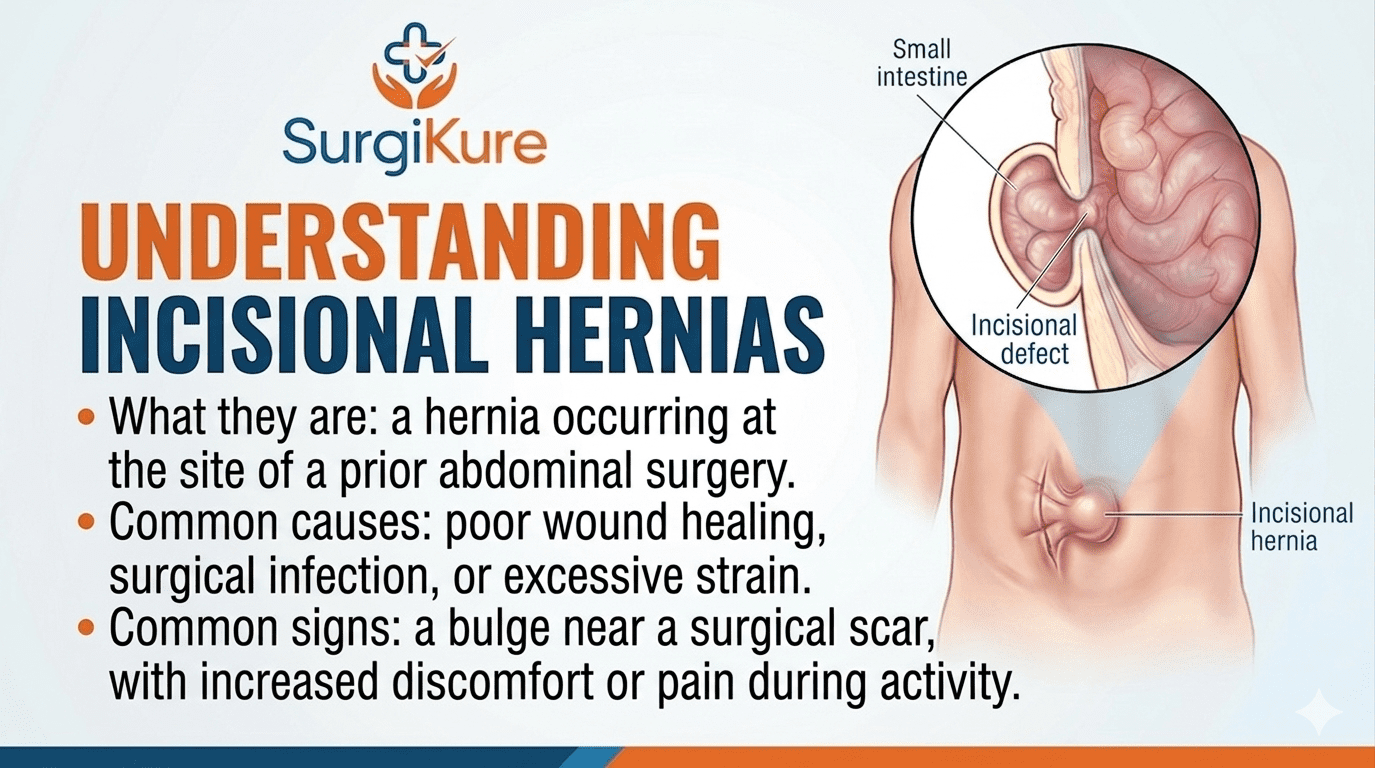
An incisional hernia occurs when tissue, fat, or part of an internal organ pushes through the surgical incision site after an operation. This happens because the muscle or tissue layers at the incision haven’t properly healed or have weakened over time.
Think of it this way: your surgeon makes an incision to access the area needing surgery, then carefully closes the layers back together. Ideally, these layers heal and form strong scar tissue. However, sometimes this healing process doesn’t go as planned, leaving a weakness in the abdominal wall. When pressure builds up in the abdomen—whether from coughing, straining, heavy lifting, or even just standing—the underlying tissue can push through this weak spot, creating a visible bulge.
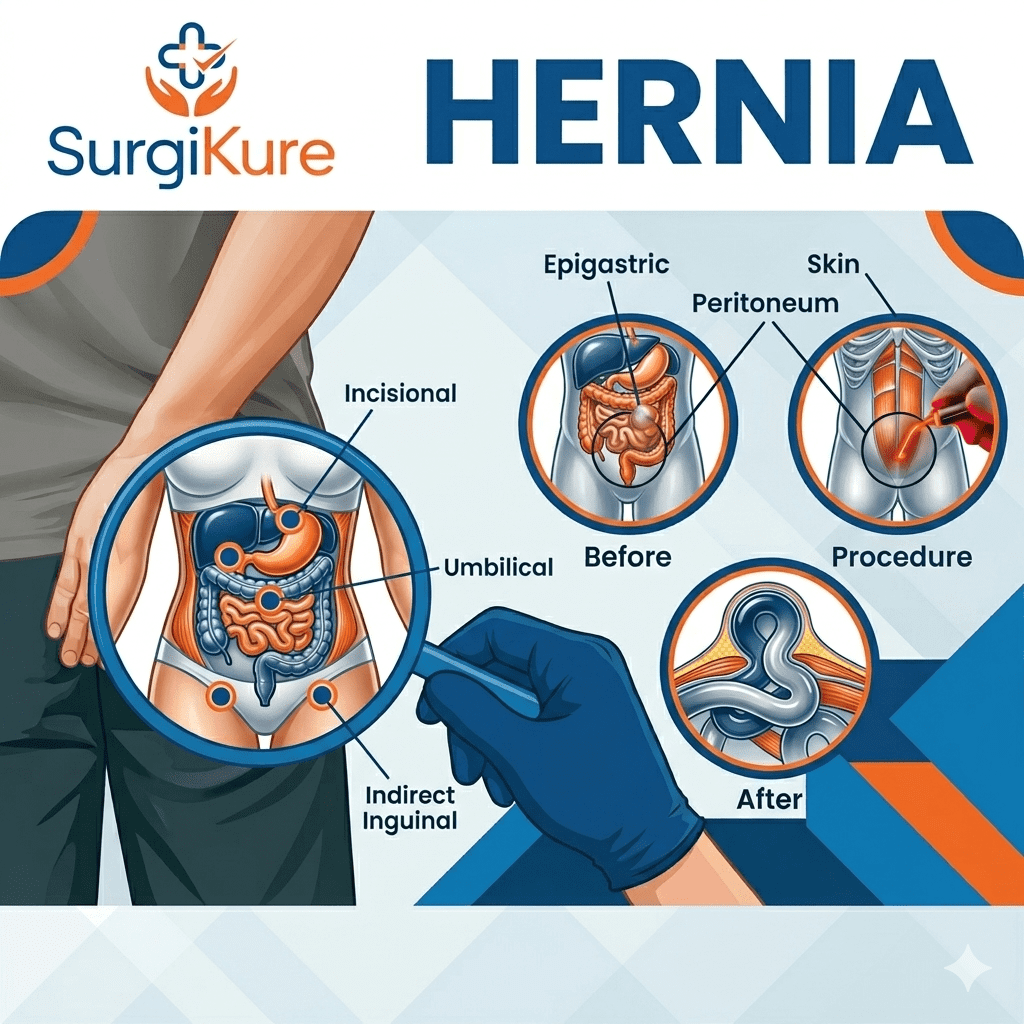
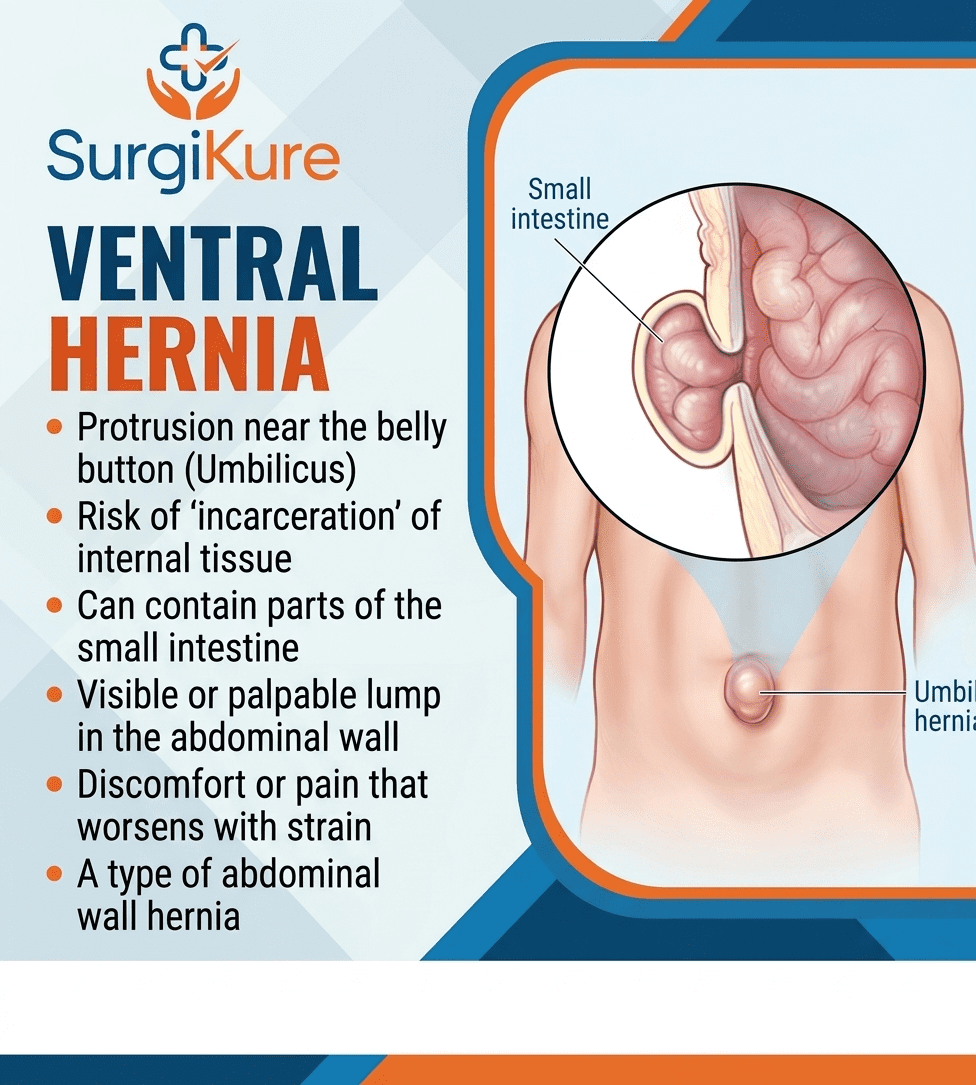
It’s important to understand that an incisional hernia is different from other types of hernias. For example, when comparing ventral hernia vs incisional hernia, the key distinction is that ventral hernias can develop anywhere on the abdominal wall, while incisional hernias specifically develop at the site of a previous surgical incision. This means your surgical history is the defining factor.
How Common Is Incisional Hernia?
Studies show that incisional hernias develop in approximately 10-15% of abdominal surgeries. However, some patients are at higher risk based on factors we’ll discuss shortly. The good news? You’re not dealing with a rare condition, and excellent treatment options exist.
Incisional Hernia Causes: Why Does This Happen?
Understanding what causes an incisional hernia can help you take preventive measures if you’re facing future surgery—or explain what may have happened if you’re currently dealing with one.
Surgical and Post-Operative Factors
Type of Surgery and Incision
The location and size of your surgical incision matter. Larger incisions and those made vertically down the abdomen carry higher hernia risk compared to smaller, horizontal incisions. Certain types of surgeries—particularly emergency procedures—have higher incisional hernia rates than planned operations.
Surgical Technique
How your surgeon closes the incision affects healing. Proper suture placement, tension, and technique can significantly reduce hernia risk. This is why choosing an experienced surgeon matters tremendously.
Wound Complications
If your surgical wound became infected, developed a seroma (fluid collection), or showed signs of poor healing, your risk of developing an incisional hernia increases substantially.
Patient-Related Risk Factors
Age and Overall Health
Older patients tend to have naturally weaker tissue and slower healing. Patients with conditions affecting collagen production or healing ability—such as diabetes or connective tissue disorders—face elevated risk.
Weight and Body Composition
Being overweight or obese increases abdominal pressure and stretches the surgical site, making hernia development more likely. Poor nutrition also compromises healing.
Smoking
Smoking impairs blood circulation and collagen synthesis, both critical for proper wound healing. Smokers have significantly higher incisional hernia rates.
Lifestyle Factors Post-Surgery
Returning to heavy activity too quickly, heavy lifting, chronic coughing, or straining can overwhelm healing tissue and create a hernia. Even pregnancy shortly after surgery can increase pressure on a healing incision.
Underlying Medical Conditions
Conditions like chronic obstructive pulmonary disease (COPD), which causes frequent coughing, or chronic constipation, which increases straining, can contribute to hernia development.
Recognizing Incisional Hernia Symptoms
The symptoms of an incisional hernia can range from barely noticeable to significantly uncomfortable. Knowing what to look for helps you seek treatment at the right time.
Physical Signs
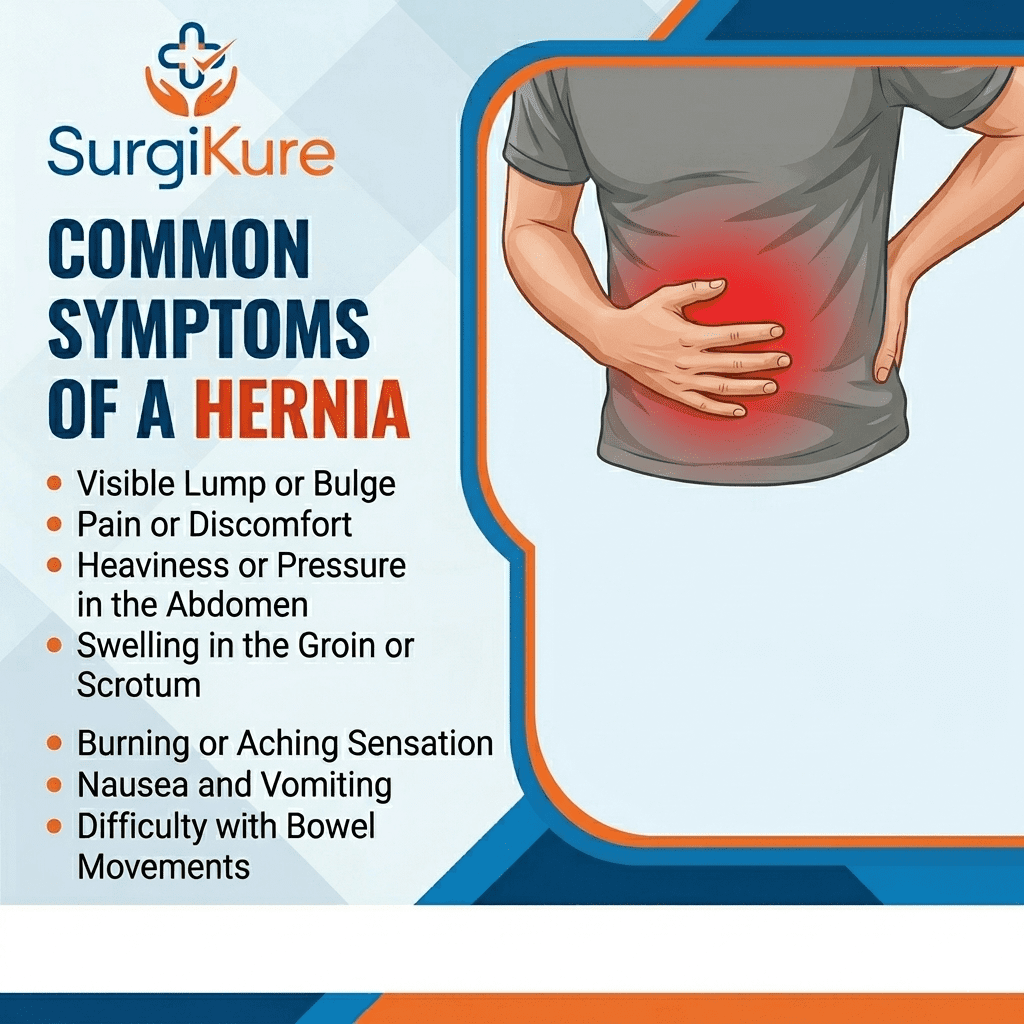
A Visible Bulge or Lump
The most obvious sign is a bulge or lump near your surgical scar. This may become more prominent when you stand, cough, laugh, or strain. When you lie down and relax your abdominal muscles, the bulge may partially or completely disappear.
Discomfort or Pain
Many patients describe a dull ache, sharp pain, or pulling sensation at the hernia site. The pain often worsens with activity and improves with rest. Some people experience no pain at all—the bulge is their only symptom.
Swelling and Tenderness
The area around the hernia may feel tender to touch or appear slightly swollen.
Feeling of Weakness
Some patients describe feeling like their abdomen “isn’t holding things together,” particularly when lifting or bending.
When Symptoms Become Urgent
While most incisional hernias are chronic and manageable, certain situations require immediate medical attention:
- Sudden, severe pain at the hernia site
- Redness, warmth, or fever indicating infection
- Nausea and vomiting accompanying the hernia
- Hardness of the bulge that won’t reduce
- Inability to push the bulge back in (in cases where you previously could)
These could indicate hernia incarceration (where the hernia becomes stuck) or strangulation (where blood supply is cut off), both medical emergencies requiring immediate surgery.
Diagnosing Incisional Hernia
If you suspect you have an incisional hernia, your doctor will begin with a physical examination. They’ll feel the area around your scar and ask you to stand, cough, or strain to see if the bulge becomes more prominent—a classic diagnostic sign.
For confirmation, your doctor might order:
- Ultrasound: Often the first imaging choice; uses sound waves to visualize the hernia without radiation
- CT Scan: Provides detailed images and helps surgeons plan repair surgery
- MRI: Used when additional anatomical detail is needed
At SurgiKure in Hyderabad, our surgical specialists use state-of-the-art imaging technology to accurately diagnose and assess your incisional hernia before developing a personalized treatment plan.
Incisional Hernia Treatment Options
Treatment for an incisional hernia depends on several factors: the size of the hernia, your symptoms, your age, overall health, and personal preferences. Let’s explore your options.
Conservative Management
When Watchful Waiting Makes Sense
If your hernia is small and causes no symptoms, your surgeon may recommend “watchful waiting.” You’ll monitor the hernia for any changes while following precautions: avoiding heavy lifting, using proper body mechanics, maintaining a healthy weight, and not straining during bowel movements.
This approach works for some patients, but understand that hernias rarely shrink on their own and may gradually enlarge over time.
Surgical Repair Options
If your hernia causes pain, is enlarging, or you simply prefer definitive treatment, incisional hernia surgery is the answer.
Traditional Open Incisional Hernia Repair Surgery
The surgeon makes an incision to access the hernia, reduces the protruding tissue back into place, and reinforces the weak area using sutures and often mesh material. Mesh acts like a reinforcement patch, significantly reducing recurrence rates.
Advantages:
- Direct visualization of the hernia
- Suitable for large or complex hernias
- Allows concurrent procedures if needed
Recovery: 4-6 weeks before returning to normal activities
Minimally Invasive Laparoscopic Repair
The surgeon uses small incisions and a camera (laparoscope) to visualize and repair the hernia. Mesh is typically placed from the inside.
Advantages:
- Smaller incisions mean less post-operative pain
- Faster return to light activities
- Reduced risk of wound complications
Recovery: 2-3 weeks before resuming normal activities
Laser-Assisted Incisional Hernia Repair
At SurgiKure, we offer advanced laser treatment options for hernia repair. Laser technology allows for precise tissue handling and can be combined with minimally invasive techniques for optimal outcomes.
Advantages:
- Superior precision with reduced tissue trauma
- Excellent visualization
- Faster healing
- Lower infection rates
Recovery: Similar to laparoscopic repair, often slightly faster
Choosing the Right Surgical Approach
Your surgeon will recommend the best approach based on:
- Hernia size and location
- Your medical history
- Previous abdominal surgeries
- Your overall fitness for surgery
- Your preferences and lifestyle
What to Expect: The Incisional Hernia Repair Surgery Process
Pre-Surgery Preparation
Your surgeon will conduct a thorough evaluation, review your medications, and potentially order tests. You’ll receive specific instructions about fasting, medications to stop or continue, and what to bring to surgery.
If you smoke, quitting before surgery significantly improves healing and reduces complications.
During Surgery
Depending on your chosen approach, the procedure typically lasts 1-2 hours. You’ll receive general anesthesia, so you’ll sleep throughout. The surgeon will:
- Make the necessary incisions
- Carefully separate tissue layers to access the hernia
- Gently push the protruding tissue back into place
- Reinforce the weak area with sutures and/or mesh
- Close the incisions with dissolvable sutures or removable stitches
Immediately After Surgery
You’ll spend time in the recovery room as anesthesia wears off. Most patients go home the same day (for laparoscopic/laser approaches) or after an overnight stay (for open repair).
Incisional Hernia Recovery: Timeline and Expectations
Week 1: Initial Recovery
- You’ll experience pain and discomfort at the incision sites—take prescribed pain medication as directed
- Avoid lifting anything heavier than 10 pounds
- Limit stairs and bending
- Expect some swelling, bruising, and redness around incisions—this is normal
- Keep incisions clean and dry
- Wear compression garments if recommended
Weeks 2-4: Progressive Activity
- Most people return to desk work and light activities
- Continue avoiding heavy lifting and strenuous exercise
- Pain typically decreases significantly
- You may notice some numbness around the incision—this gradually resolves
Weeks 4-6: Return to Normal
- Most people resume normal activities, including light exercise
- Heavy lifting and intense exercise are usually cleared around 6 weeks
- Full recovery, including internal healing, takes 3-6 months
- Contact your surgeon immediately if you notice:
– Increased pain or swelling
– Signs of infection (fever, redness, discharge)
– Separation of incision edges
– Recurrence of the bulge
Long-Term Success
With modern surgical techniques and mesh reinforcement, the recurrence rate for incisional hernia repair is 10-20%, depending on the repair method. Laser-assisted and minimally invasive approaches often show slightly lower recurrence rates.
To maximize success:
- Follow all post-operative restrictions
- Avoid smoking
- Maintain a healthy weight
- Use proper lifting techniques
- Manage conditions that cause coughing or straining
- Attend all follow-up appointments
When Should You See a Doctor?
Contact your surgeon immediately if you experience:
- Severe, sudden pain in the hernia area
- Redness, warmth, swelling, or drainage from the incision
- Fever above 101°F (38.3°C)
- Nausea or vomiting
- Inability to move the bulge that was previously mobile
- Shortness of breath or chest pain
- Constipation lasting more than 2-3 days
Don’t wait for a scheduled appointment if you experience these symptoms. Emergency surgery may be needed if the hernia becomes incarcerated or strangulated.
Schedule an appointment for a regular check if you:
- Notice a new bulge near an old surgical scar
- Experience persistent mild to moderate pain at incision sites
- Want to discuss surgical options
Why Choose SurgiKure for Incisional Hernia Repair?
If you’re located in Hyderabad, Visakhapatnam, or Vijayawada, SurgiKure is your trusted partner for advanced hernia treatment. Please contact our health care experts for details: 7670968977 (Hyderabad), 7797377779 (Vizag/Vijayawada).
Our Expertise
SurgiKure specializes in surgical conditions including hernias, combining extensive experience with cutting-edge technology. Our surgeons stay current with the latest techniques, including laser-assisted repair methods.
Advanced Treatment Options
We offer:
- Minimally invasive laparoscopic repair for faster recovery
- Laser-assisted incisional hernia repair surgery for superior precision
- Open repair for complex cases
- Comprehensive pre and post-operative support
Patient-Centered Approach
We believe in thorough patient education. We’ll explain your specific situation, show you clinical images during consultation (real cases from our practice), and help you understand all your options before making any decisions.
State-of-the-Art Facilities
Our clinics feature:
- Advanced imaging technology for accurate diagnosis
- Modern surgical suites with the latest equipment
- Comfortable recovery facilities
- Experienced nursing and support staff
Convenient Locations
With clinics in Hyderabad, Visakhapatnam, and Vijayawada, we’re accessible to patients across the region.
Key Takeaways
- Incisional hernia develops when tissue pushes through a weak point at a previous surgical scar
- Risk factors include surgical technique, age, weight, smoking, and lifestyle factors
- Common incisional hernia symptoms include visible bulges, pain, and weakness
- Treatment ranges from watchful waiting to surgical repair
- Incisional hernia repair surgery has high success rates, particularly with mesh reinforcement
- Incisional hernia repair can be performed through open, laparoscopic, or laser-assisted approaches
- Recovery typically takes 4-6 weeks for normal activities and 3-6 months for full healing
- Modern techniques have recurrence rates of 10-20%
- Choosing an experienced surgeon is critical for optimal outcomes
Frequently Asked Questions
Q: Can an incisional hernia heal on its own?
A: Incisional hernias rarely heal without surgery. While some remain stable, most gradually enlarge. Conservative management can be an option for small, asymptomatic hernias, but surgical repair is the definitive treatment.
Q: What’s the difference between ventral hernia vs incisional hernia?
A: Incisional hernias develop specifically at surgical scar sites, while ventral hernias can occur anywhere on the abdominal wall, including areas without previous surgery.
Q: Is hernia repair surgery safe?
A: Yes, modern incisional hernia repair surgery is very safe when performed by experienced surgeons. Complications are rare and usually minor. Emergency surgery for incarcerated hernias carries higher risks, making preventive repair advisable.
Q: How long does incisional hernia repair surgery take?
A: Typically 1-2 hours, depending on complexity and the surgical approach chosen.
Q: When can I return to work after incisional hernia repair?
A: Most people return to desk work after 2-3 weeks. If your job involves physical labor, expect 6-8 weeks before full return.
Q: What are the advantages of laser treatment for incisional hernia?
A: Laser-assisted incisional hernia repair offers superior precision, reduced tissue trauma, excellent visualization, faster healing, and typically lower infection rates compared to conventional approaches.
Q: Can an incisional hernia come back after surgery?
A: Recurrence rates are 10-20% depending on technique and patient factors. Open repair has slightly higher recurrence than laparoscopic or laser-assisted repair. Most recurrences occur within the first year.
Q: What should I avoid after incisional hernia repair surgery?
A: Avoid heavy lifting (anything over 10 pounds) for 6 weeks, strenuous exercise for 6-8 weeks, smoking, and straining. Follow all surgeon-specific instructions.
—
Take Action: Get Your Incisional Hernia Evaluated Today
Living with an incisional hernia doesn’t mean you have to accept the discomfort or worry about potential complications. The right surgical repair can resolve your symptoms and give you peace of mind.
SurgiKure is here to help. If you’re in Hyderabad, Vijayawada & Visakhapatnam.