Anal Fissure Treatment at Home: Effective Remedies & Signs of Healing
You’re sitting in the bathroom, and suddenly sharp, burning pain shoots through the area. You know something’s wrong, but you’re not quite ready to schedule a doctor’s appointment. If this sounds familiar, you might be dealing with an anal fissure—and you’re definitely not alone.
The good news? Many people successfully manage anal fissures with home remedies and lifestyle changes, especially in the early stages. But understanding what actually works, and knowing when professional help is necessary, can mean the difference between weeks of discomfort and rapid healing.
In this comprehensive guide, we’ll explore practical, evidence-based home remedies for anal fissure treatment, discuss the signs a fissure is healing, and help you understand when it’s time to seek expert care. Whether you’re looking to manage a minor fissure or considering advanced treatment options like those available at SurgiKure’s surgical clinics in Hyderabad, Visakhapatnam, and Vijayawada, this guide has you covered.
Understanding Anal Fissures: The Basics
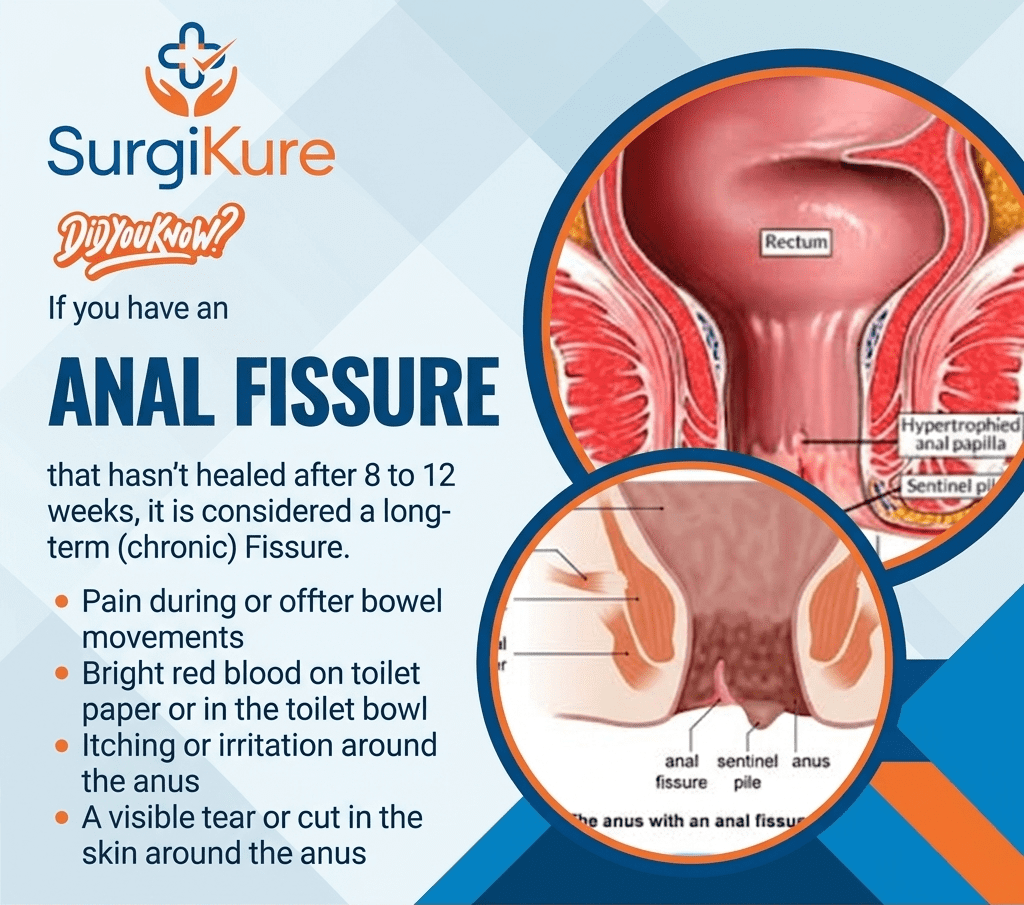
Before jumping into treatment strategies, let’s understand what we’re dealing with. An anal fissure is a small tear in the thin lining of the anal canal, usually caused by passing hard stool or prolonged diarrhea. Think of it like a paper cut in one of the most sensitive areas of your body—which explains why it hurts so much.
Most anal fissures occur at the posterior midline (back) of the anal opening, though they can develop elsewhere. The pain is typically sharp and intense, especially during bowel movements, and can linger for minutes or hours afterward. Many people also experience itching and, occasionally, visible bleeding on toilet paper.
The key insight? Most acute fissures (those lasting less than 6 weeks) can heal with conservative management. Chronic fissures (lasting more than 6 weeks) often require more intensive intervention.
Home Remedies for Anal Fissure: What Actually Works
1. Increase Your Fiber Intake Gradually
The most important step in anal fissure treatment at home is preventing constipation, and fiber is your best friend here. Fiber softens stool and adds bulk, making bowel movements easier and less traumatic to the fissure.
Here’s the practical approach:
- Aim for 25-35 grams of fiber daily
- Include sources like oatmeal, beans, lentils, berries, and whole grains
- Add fiber gradually over a week or two—jumping too quickly can cause gas and bloating
- Drink plenty of water to help fiber do its job
Many patients report significant improvement within 3-5 days of increasing fiber intake. This simple change addresses the root cause rather than just the symptoms.
2. Stay Hydrated
Drinking adequate water throughout the day is one of the simplest yet most overlooked home remedies for anal fissure. Proper hydration keeps stool soft and easy to pass, reducing strain during bowel movements.
Aim for:
- 8-10 glasses of water daily
- More if you’re in a hot climate like Hyderabad or Visakhapatnam
- Reduce or eliminate caffeine and alcohol, as they can be dehydrating
3. Sitz Baths: Your Daily Healing Ritual
A sitz bath—sitting in 2-3 inches of warm water for 10-15 minutes—is perhaps the most soothing home remedy you can implement. The warm water increases blood flow to the area, reduces pain, and promotes healing.
For optimal results:
- Take a sitz bath 2-3 times daily, especially after bowel movements
- Use plain warm water (not hot, which can increase inflammation)
- Pat the area dry gently afterward; don’t rub
- Many patients notice pain relief within the first soak
This simple ritual consistently ranks high among patients’ preferred fissure treatment at home because it provides immediate relief without medication.
4. Topical Anesthetic and Anti-Inflammatory Creams
Over-the-counter creams containing hydrocortisone, lidocaine, or both can provide temporary pain relief and reduce inflammation.
Common options include:
- Lidocaine-based creams for numbing (apply before bowel movements)
- Hydrocortisone cream to reduce inflammation
- Combination products that do both
Important note: These are best used as complementary treatments alongside dietary changes, not as standalone solutions. They manage symptoms while your lifestyle modifications address the underlying cause.
5. Stool Softeners and Gentle Laxatives
If constipation is your primary issue, over-the-counter stool softeners like docusate (Colace) or osmotic laxatives like polyethylene glycol (Miralax) can help tremendously.
Key principles:
- Stool softeners are gentler than stimulant laxatives
- They work best when combined with increased water and fiber
- Avoid harsh laxatives that can cause cramping
- Expect results within 24-48 hours
6. Witch Hazel and Natural Remedies
Some patients find relief with witch hazel or aloe vera applied to the affected area. While research is limited, anecdotal evidence suggests these may help with itching and provide mild soothing effects.
Other natural options people try:
- Coconut oil (for its anti-inflammatory properties)
- Tea tree oil (diluted, never applied directly)
- Calendula cream
Remember: these are best used as supplementary treatments alongside the more evidence-based approaches mentioned above.
Signs a Fissure Is Healing: Know What to Look For
Understanding the signs a fissure is healing will help you recognize progress and stay motivated with your home treatment plan. But it’s important to remember that healing isn’t always linear—you might have good days and uncomfortable days.
You’re Experiencing Less Pain
The most obvious sign? Decreasing pain, especially during bowel movements. Many patients notice that the sharp, intense pain gradually becomes a mild discomfort over 2-4 weeks.
If you started with pain that lasted for hours after bowel movements, healing typically shows as that duration shortening to minutes.
Bowel Movements Become Easier
As your fissure heals and your dietary changes take effect, passing stool should become less traumatic. You’ll notice less straining and pressure, which reduces re-injury to the healing tissue.
Reduced Bleeding and Discharge
Minor bleeding on toilet paper is common with active fissures. As the fissure heals, you should notice this stopping. Complete absence of bleeding is a strong indicator of progression toward healing.
Decreased Itching Sensation
Itching often accompanies anal fissures, but as inflammation decreases and the tear closes, this sensation should diminish.
You Can Return to Normal Activities
One underrated sign of healing? Being able to sit comfortably for extended periods without sharp, shooting pain. If you’re slowly regaining the ability to sit through meetings, car rides, or social events without anticipatory pain, that’s genuine progress.
Timeline: How Long Does Healing Take?
Acute fissures (less than 6 weeks old) respond well to conservative treatment. Most patients see significant improvement within:
- 1-2 weeks: Pain reduction and less bleeding
- 3-4 weeks: Most acute fissures show substantial healing
- 6 weeks: Complete healing in many cases
Chronic fissures (more than 6 weeks old) are trickier. These often develop internal scarring that prevents proper healing. While home remedies might provide symptom relief, medical intervention becomes increasingly important.
When Home Remedies Aren’t Enough: Red Flags
Knowing when to stop trying home treatment at home and seek professional help is crucial. Contact a doctor if:
- It’s been 6+ weeks with minimal improvement (suggests a chronic fissure)
- Pain is severe and unbearable, interfering with daily life and sleep
- You have significant bleeding or discharge
- You’re experiencing fever or systemic symptoms (rare, but suggests possible infection)
- Home remedies haven’t provided relief after 4 weeks of consistent application
- You have a history of chronic anal fissures that keep returning
These situations warrant professional evaluation and potentially more advanced treatments.
Advanced Treatment Options: Beyond Home Remedies
If you’ve diligently tried home remedies for anal fissure and haven’t seen the results you hoped for, several proven medical treatments exist.
Prescription Topical Medications
Dermatologists and colorectal surgeons sometimes prescribe:
- Nitrate creams (like nitroglycerin): Improve blood flow and promote healing
- Calcium channel blocker creams (like diltiazem): Relax the internal anal sphincter muscle
- Botulinum toxin injections: Paralyze the sphincter muscle temporarily to reduce spasms
Lateral Internal Sphincterotomy (LIS)
For chronic fissures resistant to medical management, a minor surgical procedure called LIS is highly effective. This involves carefully dividing a small portion of the internal anal sphincter muscle, reducing pressure in the anal canal and allowing the fissure to heal.
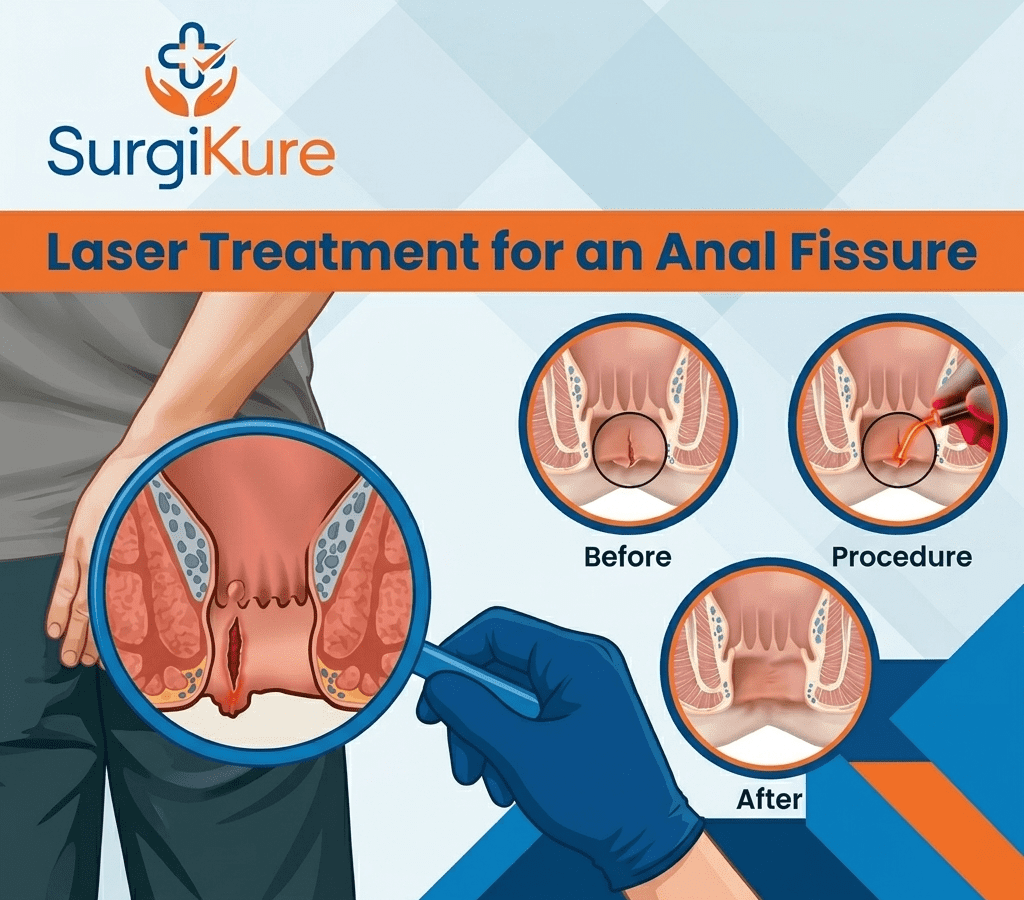
Laser Treatment for Anal Fissures
SurgiKure in Hyderabad offers advanced laser treatment for anal fissures, which provides precision treatment with minimal discomfort and faster recovery compared to traditional approaches. Laser therapy can seal the wound while promoting healing without the need for significant surgery.
Why SurgiKure is Your Partner in Anal Fissure Care
Located in Hyderabad, Visakhapatnam, and Vijayawada, SurgiKure specializes in colorectal conditions including anal fissures. If home remedies haven’t resolved your issue, here’s why patients choose SurgiKure:
Expert Clinical Evaluation: Our colorectal surgeons assess your fissure comprehensively, including whether it’s acute or chronic, which determines the best treatment path.
Multiple Treatment Options: From prescription topical medications to advanced laser treatment, we offer solutions tailored to your situation.
Real Clinical Documentation: During your consultation, you can review actual clinical images and understand your condition thoroughly before committing to any treatment.
Minimally Invasive Approach: When surgery is needed, SurgiKure prioritizes advanced techniques that minimize recovery time and discomfort.
Holistic Care: We combine medical management with dietary guidance, ensuring you understand how to prevent recurrence.
Prevention: Never Deal with This Again
Once you’ve healed, prevention is straightforward:
- Maintain adequate fiber intake (25-35g daily)
- Stay hydrated consistently
- Don’t strain or spend excessive time on the toilet (bring reading material elsewhere!)
- Address constipation promptly with stool softeners before it becomes severe
- Practice good hygiene with gentle wiping (or use wipes)
- Exercise regularly to promote healthy digestion
Key Takeaways
- Most acute anal fissures respond well to conservative home remedies including dietary changes, hydration, sitz baths, and over-the-counter topical treatments
- Signs a fissure is healing include reduced pain, easier bowel movements, decreased bleeding, and improved comfort during daily activities
- Healing timelines for acute fissures typically span 3-6 weeks with proper management
- If home remedies don’t work after 4-6 weeks, or if your fissure is chronic, professional medical evaluation is important
- Advanced options including prescription creams, injections, and laser treatment are available at specialized clinics like SurgiKure
FAQs About Anal Fissure Treatment at Home
Q: Can an anal fissure heal completely on its own?
A: Yes, many acute fissures heal within 6 weeks with conservative management. However, chronic fissures often require professional intervention.
Q: How long should I try home remedies before seeing a doctor?
A: Four to six weeks of consistent home treatment is reasonable. If you see no improvement by week 6, seek professional evaluation.
Q: Are home remedies for anal fissure safe to combine?
A: Yes, sitz baths, dietary changes, hydration, and over-the-counter creams work well together. However, consult with a doctor before combining prescription medications.
Q: Can stress cause anal fissures?
A: Stress doesn’t directly cause fissures, but stress-related constipation can. Managing stress through exercise and relaxation may help indirectly.
Q: Is bleeding always a sign of a serious problem?
A: Minor bleeding on toilet paper with an anal fissure is common and usually not serious. However, significant or persistent bleeding warrants professional evaluation.
Schedule Your Free Consultation at SurgiKure
If you’ve been struggling with anal fissure pain and home remedies haven’t provided relief, don’t suffer in silence. The experts at SurgiKure are here to help.
Our colorectal specialists in Hyderabad, Visakhapatnam, and Vijayawada offer comprehensive evaluation and treatment plans tailored to your needs—whether that’s optimized home care strategies or advanced treatment options like laser therapy.
Book your free consultation today and take the first step toward lasting relief. During your visit, we’ll discuss your symptoms, review real clinical images, and create a personalized treatment path forward.
Your comfort matters. Let SurgiKure guide you toward healing.
Schedule Free Consultation Now – Please contact our health care experts for details: 7670968977 (Hyderabad), 7797377779 (Vizag/Vijayawada).