Gallstone Composition: Types, Causes, Symptoms & Treatment Options
Have you ever wondered what actually makes up those painful stones that form in your gallbladder? Understanding gallstone composition isn’t just medical trivia—it’s the key to understanding why they form, how doctors treat them, and what you can do to prevent them from coming back. Whether you’re experiencing unexplained abdominal pain or simply want to learn more about this common digestive condition, this comprehensive guide will walk you through everything you need to know.
What Are Gallstones and Why Do They Matter?
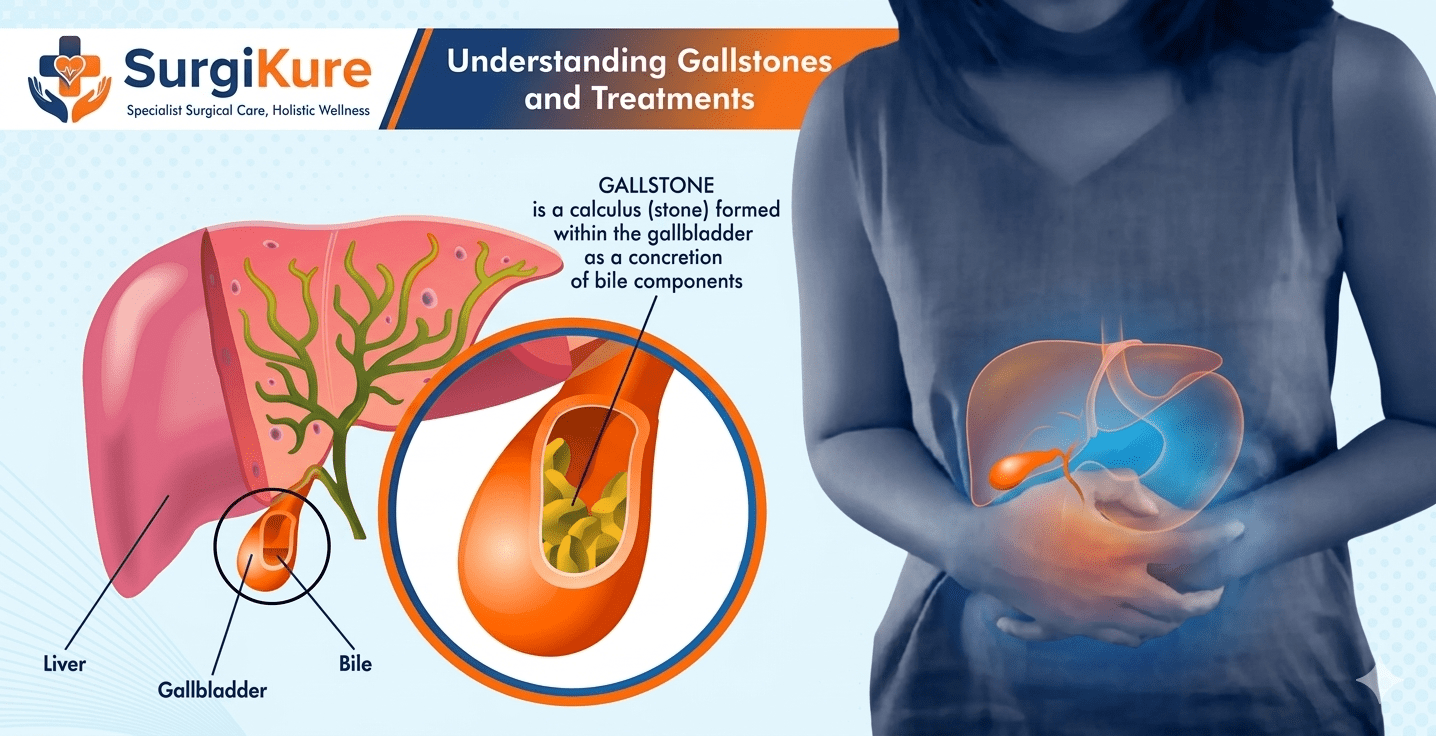
Your gallbladder is a small, pear-shaped organ tucked beneath your liver that stores bile—a digestive fluid essential for breaking down fats. When this bile becomes imbalanced, solid particles can crystallize and form gallstones. These tiny troublemakers affect approximately 10-15% of the adult population, making them surprisingly common. Yet many people never realize they have them until symptoms appear.
The real concern isn’t just having gallstones—it’s understanding their composition, because what they’re made of directly impacts your treatment options and long-term health outlook.
Understanding Gallstone Composition: What Are They Made Of?
At their core, gallstones are hardened deposits of digestive fluid. But here’s where it gets interesting: not all gallstones are created equal. The specific gallstone composition determines their behavior, severity, and how doctors approach treatment.
The Main Components of Gallstones
The majority of gallstones—about 80% of cases—are primarily composed of cholesterol. When bile becomes oversaturated with cholesterol relative to bile salts and phospholipids, cholesterol crystals precipitate out and gradually accumulate into stones.
The remaining 20% of gallstones are classified as pigment gallstones, which form from bilirubin (a breakdown product of hemoglobin) and calcium. These pigment stones can be further divided into:
- Black pigment stones – typically associated with hemolytic anemia and cirrhosis
- Brown pigment stones – often linked to infection and are more common in Asian populations
Some gallstones are pure cholesterol, while others contain a mixture of cholesterol, bilirubin, calcium, and other compounds. This compositional variation matters because it affects how gallstones develop and which gallstone treatment options work best.
Gallstone Types: Categorizing by Composition
Let’s break down the different gallstone types based on their makeup:
Cholesterol Gallstones
These are by far the most common type, representing approximately 80% of all gallstones. Cholesterol gallstones form when there’s an excess of cholesterol in bile relative to bile salts and phospholipids. They’re typically yellow or greenish in color and can range from tiny sand-like particles to stones larger than a golf ball.
What causes cholesterol gallstones?
- High cholesterol diet
- Obesity and rapid weight loss
- Female gender (women are more prone)
- Family history
- Age over 40
- Metabolic disorders
Pigment Gallstones
These darker stones contain predominantly bilirubin and calcium. They’re less common but can be more problematic in certain populations.
Black pigment stones often develop in people with:
- Hemolytic anemia (where red blood cells break down prematurely)
- Cirrhosis
- Chronic biliary tract infections
Brown pigment stones are more frequently seen in:
- People with recurrent bile duct infections
- Those with bile stasis
- Certain geographic populations, particularly in East Asia
Mixed Gallstones
Many gallstones don’t fit neatly into one category. They contain cholesterol as the primary component but also include calcium bilirubinate and other materials. These mixed-composition stones are still typically treated the same way as pure cholesterol stones.
Gallstone Causes: Why Do They Form?
Understanding gallstone causes requires looking at the factors that disrupt normal bile chemistry:
The Role of Cholesterol
When your liver produces too much cholesterol or your bile doesn’t contain enough bile salts and phospholipids to keep cholesterol dissolved, crystallization begins. This is the primary mechanism behind most cases of gallstone formation.
Bile Stasis (Slow Bile Flow)
When bile doesn’t move efficiently through the gallbladder—whether due to pregnancy, rapid weight loss, prolonged fasting, or certain medications—gallstone formation accelerates. The longer bile sits, the more likely crystallization becomes.
Infection and Inflammation
Chronic inflammation of the gallbladder increases your risk. People with are at higher risk for developing pigment stones specifically.
Risk Factors for Gallstone Development
Several factors increase your likelihood of developing gallstones:
- Age: Risk increases after 40
- Gender: Women are 2-3 times more likely than men
- Family History: Gallstones tend to run in families
- Obesity: Extra weight increases cholesterol secretion
- Rapid Weight Loss: Particularly after bariatric surgery
- Diet: High-fat, low-fiber diets contribute significantly
- Medications: Certain drugs affect cholesterol metabolism
- Metabolic Disorders: Diabetes and metabolic syndrome increase risk
- Ethnicity: Native Americans and certain Hispanic populations have higher rates
Gallstone Symptoms: When to Take Action
Here’s the crucial part: many people have gallstones and never experience symptoms. These are called “silent gallstones.” However, when gallstones do cause problems, symptoms can be quite dramatic.
Common Gallstone Symptoms
Biliary Colic (most common presenting symptom):
- Sudden, intense pain in the upper right abdomen
- Pain between shoulder blades
- Right shoulder pain
- Episodes typically last 30 minutes to several hours
- Often triggered by fatty meals
Additional Symptoms Include:
- Nausea and vomiting
- Clay-colored stools
- Dark urine
- Yellowing of skin and eyes (jaundice)
- Chronic indigestion
- Bloating and gas
- Discomfort after eating fatty foods
When Symptoms Become Serious
Seek immediate medical attention if you experience:
- Severe abdominal pain lasting more than a few hours
- High fever with abdominal pain
- Jaundice (yellowing of skin)
- Persistent vomiting
- Signs of pancreatitis (severe pain with nausea)
These could indicate complications like acute cholecystitis, gallstone pancreatitis, or bile duct obstruction.
Gallstone Treatment Options: From Conservative to Surgical
Treatment decisions depend on several factors: whether you have symptoms, the gallstone composition, your overall health, and whether complications exist.
Conservative Management
For asymptomatic gallstones (silent gallstones), many doctors recommend watchful waiting. Regular monitoring ensures you’ll catch any problems early if symptoms develop.
Lifestyle modifications can help prevent symptom development:
- Adopt a low-fat gallstone diet
- Maintain healthy weight
- Exercise regularly
- Avoid rapid weight loss
- Eat smaller, more frequent meals
Medical Management
Ursodeoxycholic acid is a medication that can dissolve certain cholesterol gallstones over time. This approach works best for:
- Small cholesterol stones
- Patients with mild symptoms
- Those who aren’t surgical candidates
However, it requires long-term use (6-24 months) and stones often recur after stopping medication.
Gallstone Surgery: The Most Effective Solution
Cholecystectomy (gallbladder removal) remains the gold standard gallstone treatment for symptomatic gallstones. This is where gallstone removal becomes definitive.
Laparoscopic Cholecystectomy
This minimally invasive approach uses several tiny incisions and a camera to guide the surgeon. Benefits include:
- Faster recovery (1-2 weeks)
- Less post-operative pain
- Minimal scarring
- Lower infection risk
- Same-day or next-day discharge
- Return to normal activities within 2-3 weeks
Open Cholecystectomy
Reserved for complex cases, this traditional approach involves a larger incision. It’s necessary when:
- Anatomy is severely distorted
- Acute inflammation prevents safe laparoscopic removal
- Bile duct stones are present and require exploration
Laser-Assisted Gallstone Removal
At SurgiKure in Hyderabad, we offer cutting-edge laser treatment options for gallstone removal. Laser-assisted cholecystectomy provides:
- Enhanced precision and visualization
- Reduced tissue trauma
- Faster healing
- Excellent outcomes even in complex cases
- Advanced technology combined with expert surgical skill
This represents the latest evolution in gallstone surgery, offering patients the benefits of minimal invasiveness with superior precision.
Extracorporeal Shock Wave Lithotripsy (ESWL)
This non-surgical approach uses sound waves to break up gallstones. It’s effective primarily for:
- Solitary stones
- Radiolucent stones
- Patients who refuse surgery
- Those with significant surgical risk
However, it requires follow-up medical therapy and has variable success rates.
Gallstone Diet: Dietary Management and Prevention
What you eat directly impacts gallstone formation and symptom management.
Foods to Avoid
- High-fat meats and dairy
- Fried and greasy foods
- Processed foods
- High-cholesterol foods
- Sugary beverages
- Alcohol (especially with fatty foods)
Recommended Gallstone Diet
- Lean proteins (fish, chicken breast, tofu)
- Whole grains and high-fiber foods
- Fresh vegetables and fruits
- Low-fat dairy products
- Healthy oils in moderation (olive oil)
- Adequate water intake
Dietary Principles
- Eat smaller, more frequent meals
- Avoid skipping meals (increases gallstone risk)
- Limit fat to 25-30% of daily calories
- Gradually increase fiber intake
- Maintain stable body weight
- Avoid rapid weight loss if possible
Why Choose SurgiKure in Hyderabad for Gallstone Treatment?
If you’re facing gallstone symptoms and considering your treatment options, SurgiKure stands as Hyderabad’s premier surgical clinic specializing in comprehensive gastrointestinal care.
What Sets SurgiKure Apart
Specialized Expertise: While we’re known for excellence in treating piles, fissures, fistula, and hernia, our surgical team also provides expert gallstone and biliary care using the same principles of precision and minimal invasion.
Advanced Technology: We utilize laser-assisted surgical techniques, the latest laparoscopic equipment, and state-of-the-art diagnostic imaging to ensure accurate diagnosis and optimal surgical outcomes.
Patient-Centered Care: From your first consultation through recovery, we prioritize your comfort, education, and successful outcomes. We explain your gallstone composition, discuss treatment options thoroughly, and answer all your questions.
Real Clinical Documentation: During your consultation at SurgiKure, we can show you real clinical images and detailed analysis of gallstone composition, helping you understand your specific condition.
Comprehensive Approach: Whether you need conservative management, medication, or surgical intervention, we develop personalized treatment plans based on your unique situation.
Same-Day Laser Procedures: Our laser-assisted gallstone removal procedures often allow for same-day discharge, minimizing disruption to your life.
When to See a Doctor
Don’t wait to seek medical attention if you experience:
- Recurring pain in your upper right abdomen
- Pain between your shoulder blades
- Pain in your right shoulder
- Nausea or vomiting with abdominal pain
- Yellowing of skin or eyes
- Fever with abdominal pain
- Persistent indigestion or bloating
Even “silent” gallstones warrant periodic monitoring, especially if you have risk factors.
Key Takeaways on Gallstone Composition
- Composition matters: 80% of gallstones are primarily cholesterol-based, while 20% are pigment stones
- Understanding causes: Bile chemistry imbalance is the fundamental mechanism behind gallstone formation
- Symptoms vary: Many people have asymptomatic gallstones, while others experience significant pain
- Treatment options exist: From dietary management to laser-assisted surgery, solutions range from conservative to definitive
- Expert care available: SurgiKure in Hyderabad offers comprehensive gallstone diagnosis and treatment using advanced techniques
- Early intervention prevents complications: Addressing symptomatic gallstones prevents serious complications like pancreatitis and bile duct obstruction
Frequently Asked Questions About Gallstones
Q: Can gallstones dissolve on their own?
A: Rarely. While medications can dissolve some cholesterol gallstones, they’re most commonly treated surgically once symptomatic.
Q: How are gallstones diagnosed?
A: Ultrasound is the gold standard for gallstone diagnosis, often supplemented by CT scans or MRI when complications are suspected.
Q: Is gallstone surgery safe?
A: Laparoscopic cholecystectomy is one of the safest surgical procedures performed today, with complication rates below 1%.
Q: Can gallstones come back after surgery?
A: No—once your gallbladder is removed, gallstones cannot recur (though new ones can’t form either).
Q: Do I need surgery for silent gallstones?
A: Not necessarily. Most silent gallstones never cause problems and don’t require surgery, though regular monitoring is recommended.
Q: What’s the recovery like after laser-assisted gallstone removal?
A: Most patients return to light activities within one week and resume normal activities within 2-3 weeks.
Take the First Step Toward Relief
If you’re struggling with gallstone symptoms or have recently been diagnosed with gallstones, expert guidance can make all the difference. At SurgiKure in Hyderabad, we’re committed to providing world-class gallstone diagnosis and treatment using the latest surgical techniques, including laser-assisted procedures.
Our experienced surgical team will thoroughly evaluate your gallstone composition, discuss all available treatment options, and create a personalized plan that addresses your specific needs. During your consultation, we’ll show you real clinical images and explain your condition in detail so you can make confident decisions about your care.
Don’t let gallstone pain disrupt your life any longer.
Contact SurgiKure today for your free consultation and discover how laser-assisted gallstone removal and advanced surgical techniques can restore your digestive health.
Visit surgikure.com or call to schedule your appointment with our experienced surgical specialists. We’re here to answer your questions, address your concerns, and guide you toward lasting relief.