Phimosis Treatment: Causes, Symptoms & Surgical Options Explained
The foreskin is supposed to retract smoothly, but when it becomes too tight to pull back over the head of the penis, you’re dealing with a condition called phimosis. If you’re experiencing this issue, you’re not alone—and more importantly, there are proven solutions available.
Whether you’re searching for phimosis treatment options or wondering if phimosis cure is possible without going under the knife, this guide will walk you through everything you need to know about this common urological condition.
What is Phimosis and Why Does It Matter
Phimosis refers to a tightness of the foreskin that prevents it from retracting fully behind the glans (the head of the penis). This condition can range from mild to severe and can significantly impact your quality of life, hygiene, sexual function, and overall comfort.
It’s important to understand that having some tightness in the foreskin during childhood is completely normal. Most boys are born with a non-retractable foreskin, and this naturally loosens as they grow. However, when tightness persists into adulthood or develops later, it becomes a medical concern requiring attention.
Many men feel embarrassed discussing phimosis with healthcare providers, but it’s a straightforward condition that modern medicine handles routinely. At SurgiKure in Hyderabad, we’ve successfully treated hundreds of patients, helping them regain comfort and confidence.
Understanding Phimosis Cause
Before exploring phimosis treatment options, let’s look at what causes this condition in the first place:
Physiological Causes
Natural Developmental Tightness
In infants and young boys, the foreskin naturally adheres to the glans. This typically resolves by age 3-5 as the boy grows. Forcing retraction during this period can actually cause scarring, leading to pathological phimosis later.
Genetic Predisposition
Some men naturally have thicker or less elastic foreskin tissue, making them more prone to developing phimosis.
Acquired Causes
Poor Hygiene and Balanitis
Inadequate cleaning under the foreskin allows bacteria and yeast to accumulate, causing inflammation (balanitis). Repeated inflammatory episodes scar the foreskin, making it progressively tighter.
Sexually Transmitted Infections (STIs)
Infections like herpes, gonorrhea, or chlamydia can inflame the foreskin tissue and lead to scarring and tightness.
Trauma and Injury
Aggressive retraction, rough sexual activity, or catheterization can traumatize the foreskin, resulting in scar tissue formation and subsequent phimosis.
Lichen Sclerosus
This rare dermatological condition causes white patches and scarring of the foreskin, often resulting in severe phimosis requiring circumcision.
Diabetes
High blood sugar levels increase susceptibility to yeast infections, which can cause balanitis and contribute to phimosis development.
Chronic Inflammation
Ongoing irritation from various sources can lead to fibrosis (scarring) of the foreskin tissue.

Recognizing Phimosis Symptoms
The symptoms of phimosis can vary significantly depending on severity. Here are the most common signs:
Physical Symptoms
- Inability to retract the foreskin beyond a certain point, or complete inability to retract it
- Pain or discomfort during erection or sexual activity
- Tightness and pulling sensation at the foreskin opening
- Ballooning of the foreskin during urination (the foreskin puffs out as urine accumulates)
- Difficulty with hygiene, as you cannot clean underneath the foreskin properly
- Redness, itching, or discharge from under the foreskin (signs of infection)
- Visible scarring or whitening of the foreskin opening
Functional Symptoms
- Pain during urination in some cases
- Reduced urinary stream or spraying
- Sexual dysfunction, including pain during intercourse or difficulty with penetration
- Recurrent balanitis or penile infections
- Psychological distress affecting confidence and relationships
Not every man with phimosis experiences all these symptoms. Some have mild tightness with minimal discomfort, while others face significant functional and psychological impact.
Phimosis Treatment Without Surgery: What Actually Works?
Many men naturally want to explore non-surgical options first. Here’s the honest assessment of what can and cannot work:
Phimosis Treatment at Home
Topical Steroid Creams
When applied regularly to the foreskin opening, topical corticosteroids (like betamethasone) can reduce inflammation and improve tissue elasticity. Success rates range from 30-60%, particularly for mild cases without significant scarring.
How it works: Apply a pea-sized amount to the foreskin opening twice daily for 6-8 weeks. Gentle, gradual stretching exercises can complement this approach.
Limitations: This works best for physiological phimosis or mild cases. If scarring is present, steroids alone rarely provide a complete cure.
Gentle Stretching Exercises
Some men report improvement with consistent, gentle manual stretching of the foreskin over several months. This should be done painlessly—forcing it can cause more scarring.
The method: During a warm bath, gently pull the foreskin back slightly and hold for 10-15 seconds. Gradually increase the stretch over weeks. This should never cause pain.
Limitations: Stretching works for functional tightness without significant scarring. If there’s visible scarring or the foreskin doesn’t move at all, stretching alone won’t help.
Improved Hygiene and Infection Management
Regular, gentle cleaning (without forcing retraction) and treating any infections promptly can prevent progression and sometimes improve mild cases.
The Reality of Non-Surgical Options
While these conservative approaches can help in mild cases, they require patience (often 3-6 months) and work best before scarring develops. If you have:
- Significant scarring visible at the foreskin opening
- Recurrent infections despite good hygiene
- Pain during erections or intercourse
- Complete inability to retract the foreskin
…you’ll likely need definitive treatment beyond home remedies.
Phimosis Surgery: Your Definitive Treatment Options
When conservative approaches don’t work or aren’t appropriate, surgical phimosis treatment offers reliable, lasting solutions.
Circumcision: The Traditional Gold Standard
Circumcision—complete removal of the foreskin—is the most common and definitive phimosis cure, with over 99% success rates.
Advantages:
- Completely eliminates phimosis
- Prevents recurrence
- Often improves hygiene
- May reduce STI transmission risk
- Relatively simple procedure (20-30 minutes)
Disadvantages:
- Permanent alteration of anatomy
- Requires time for healing (2-3 weeks)
- Some men report changes in sensation
- Not suitable for those wishing to preserve the foreskin

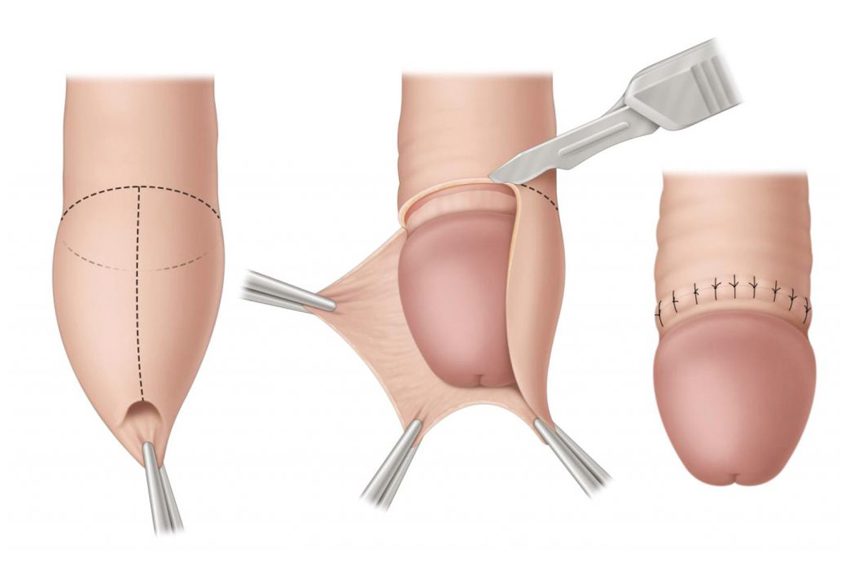
Dorsal Slit Procedure
This technique involves making a single cut along the top of the foreskin and suturing the edges to widen the opening, allowing the foreskin to retract. It preserves most of the foreskin while resolving phimosis.
Advantages:
- Preserves foreskin function and sensation
- Quicker recovery than circumcision
- Good success rates
Disadvantages:
- Slightly higher recurrence risk than circumcision
- Leaves a visible scar
- Less suitable for severe scarring
Laser Phimosis Treatment
Modern laser technology offers a minimally invasive option that’s gaining popularity:
How it works:
Precision laser energy vaporizes the excess tissue and tightened areas while simultaneously cauterizing blood vessels, reducing bleeding and promoting healing.
Advantages:
- Minimal bleeding and scarring
- Faster healing than traditional surgery
- Can preserve more foreskin tissue
- Reduced post-operative pain
- Outpatient procedure with quick recovery
Disadvantages:
- Requires specialized equipment and training
- Higher cost than traditional circumcision
- Not all clinics offer this technology
At SurgiKure Hyderabad, we utilize advanced laser technology for patients seeking a modern approach to phimosis treatment with minimal discomfort and rapid recovery.
Prepuceplasty
Also called “foreskin restoration surgery,” this procedure involves removing only the scarred portion and reconstructing a functional foreskin. It’s ideal for men with localized scarring who want to preserve foreskin function.
When Should You See a Doctor?
You should consult a urologist or surgical specialist if you experience:
- Persistent inability to retract your foreskin into adulthood
- Pain or difficulty during sexual activity
- Recurrent infections or balanitis
- Ballooning of the foreskin during urination
- Visible scarring at the foreskin opening
- Psychological distress affecting your quality of life
Early consultation is important because:
- Mild cases may respond to conservative treatment
- Infection prevention stops progression
- Your doctor can rule out underlying conditions like lichen sclerosus
- Timely intervention prevents complications
Why Choose SurgiKure Hyderabad for Phimosis Treatment?
At SurgiKure, we understand that seeking treatment for phimosis requires trust and confidence in your healthcare provider. Here’s what sets us apart:
Specialized Expertise
Our surgical team has extensive experience treating phimosis and related urological conditions. We’ve successfully managed cases ranging from mild to severe, with exceptional outcomes and minimal complications.
Multiple Treatment Options
Rather than a one-size-fits-all approach, we evaluate your specific situation and discuss all available options—from conservative management to advanced laser surgery—ensuring you choose what’s right for you.
Advanced Laser Technology
We offer state-of-the-art laser treatment options that minimize bleeding, reduce scarring, and accelerate healing compared to traditional methods.
Patient-Centered Care
We recognize this topic can feel sensitive. Our compassionate team creates a judgment-free environment where you can discuss your concerns openly and get clear, honest information.
Rapid Recovery Protocols
Using modern techniques, our patients typically return to normal activities quickly, with minimal post-operative discomfort.
Transparent Communication
Before any procedure, we thoroughly explain what to expect, discuss costs, and answer all your questions. Real clinical images and case studies are available during your consultation to help you understand the procedure and expected outcomes.
Convenient Location
Located in Hyderabad, we’re easily accessible for patients throughout Telangana and neighboring regions.
The Phimosis Treatment Process at SurgiKure
Initial Consultation
During your first visit, we’ll take a detailed medical history, perform a physical examination, and discuss your symptoms and concerns. We’ll review your treatment options comprehensively.
Diagnostic Assessment
We’ll determine whether your phimosis is physiological, scarred, or caused by underlying conditions, as this guides treatment selection.
Treatment Planning
Based on findings, we’ll recommend the most appropriate approach and discuss recovery expectations.
The Procedure
Whether you choose traditional circumcision, laser treatment, or another option, our surgical team performs the procedure with precision and care using sterile techniques and modern anesthesia.
Post-Operative Care
We provide detailed aftercare instructions, including wound care, activity restrictions, and pain management. Our team is available for any questions during recovery.
Follow-Up
We schedule follow-up appointments to ensure proper healing and address any concerns.
Recovery and Results
Typical Recovery Timeline:
- Days 1-3: Rest, minimal activity. Pain managed with prescribed medication.
- Week 1: Gradual return to light activities. Keep surgical site clean and dry.
- Weeks 2-3: Progressive return to normal activities, including exercise.
- Weeks 4-6: Complete healing with final aesthetic and functional results.
Most patients report satisfaction within 4-6 weeks post-procedure. Laser treatments typically have even faster recovery, with many returning to work within 2-3 days.
Frequently Asked Questions
Is phimosis treatment permanent?
Yes, surgical phimosis treatment is permanent. Once properly treated, phimosis does not return.
Will treatment affect sexual function?
Most men report no negative impact on sexual function. Many actually experience improvement due to reduced pain and increased comfort.
What’s the success rate of phimosis treatment?
Surgical treatment has success rates exceeding 95-99%, depending on the method used and whether scarring is present.
Can phimosis come back after dorsal slit?
Dorsal slit has slightly higher recurrence rates (5-10%) compared to circumcision, but recurrence is uncommon with proper post-operative care.
Is laser treatment better than traditional surgery?
Laser treatment offers advantages in healing speed and reduced scarring, but traditional circumcision remains the gold standard. The best choice depends on your individual needs and preferences.
How much does phimosis treatment cost?
Costs vary based on the procedure chosen and complexity. At SurgiKure, we offer transparent pricing and flexible payment options. Contact us for a detailed cost estimate.
Key Takeaways
- Phimosis is a treatable condition affecting foreskin retraction, with both medical and surgical options available
- Phimosis causes include natural tightness, scarring from injury or infection, and underlying skin conditions
- Conservative approaches like topical steroids and stretching work for mild cases without significant scarring
- Phimosis surgery, including circumcision, dorsal slit, and modern laser treatment, provides definitive phimosis cure with excellent success rates
- Early consultation prevents complications and allows discussion of all options
- Most men return to normal activities within 2-6 weeks depending on the procedure chosen
Your Path Forward Starts Here
Living with phimosis doesn’t have to mean living with discomfort, infection risk, or sexual dysfunction. Effective, proven solutions exist, and the best time to seek treatment is now.
Whether you’re interested in exploring phimosis treatment without surgery or ready to discuss surgical options, the first step is a consultation with a specialist who understands your needs.
Schedule your free consultation at SurgiKure Hyderabad today. Our expert surgical team will evaluate your specific situation, discuss all available options, and create a personalized treatment plan. Real clinical images and detailed case studies are available during your consultation to help you understand exactly what to expect.
Don’t let phimosis impact your quality of life any longer. Contact SurgiKure now for a confidential, judgment-free consultation with Hyderabad’s trusted surgical specialists.
Call us or visit our website to book your free consultation—your journey to comfort and confidence begins here.
—