📝 Table of Contents
- The Most Common Symptoms of Urinary Tract Infections You Should Know
- Differentiating Symptoms of Urinary Tract Issues in Men and Women
- Symptoms of Urinary Tract Infections in Women
- Symptoms of Urinary Tract Disorders in Men
- Symptoms of Urinary Tract Infections in Children and the Elderly
- Pediatric Signs
- Geriatric Confusion
- Upper vs. Lower: Categorizing Symptoms of Urinary Tract Complications
Understanding the Symptoms of Urinary Tract Infections and Disorders
It starts with a subtle annoyance—maybe a slightly more frequent need to visit the bathroom or a vague discomfort in your lower abdomen. Within hours, that annoyance can escalate into a burning sensation that makes you dread every trip to the restroom. If this sounds familiar, you are likely experiencing the classic symptoms of urinary tract issues. The urinary system is your body’s drainage plant, designed to remove wastes and extra water. When it functions correctly, you barely notice it. But when bacteria enter the system, or when obstructions occur, the body sounds the alarm. Recognizing these alarms—the specific symptoms of urinary tract infections (UTIs) or disorders—is the first critical step toward relief. Ignoring them can lead to serious complications, including kidney damage or sepsis. In this extensive guide, we will break down exactly what your body is trying to tell you. We will look beyond the basic "burning" sensation and explore the full spectrum of symptoms of urinary tract problems across different ages, genders, and severity levels.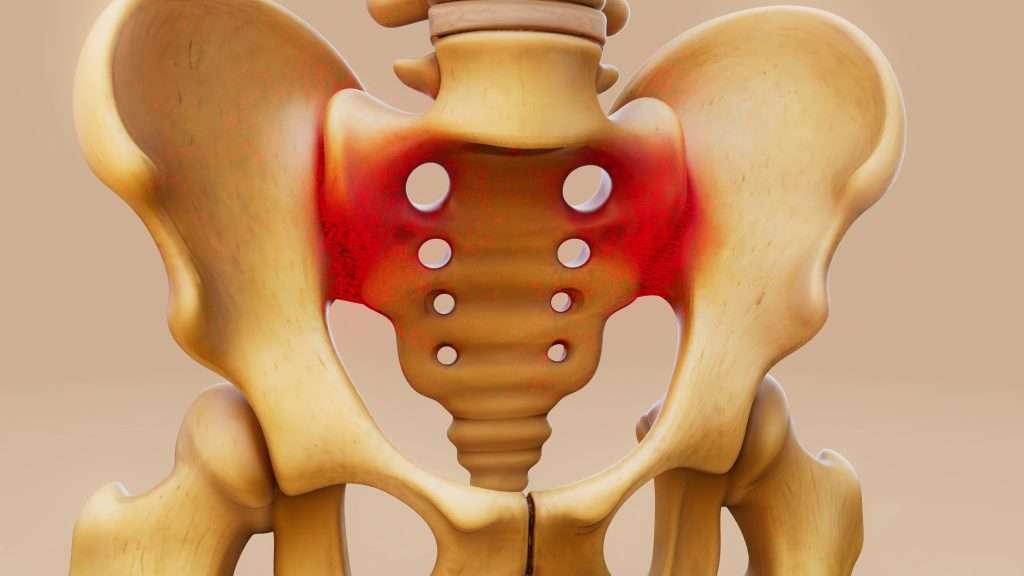
The Most Common Symptoms of Urinary Tract Infections You Should Know
When we talk about the general symptoms of urinary tract infections, we are usually referring to cystitis, which is an infection of the bladder (the lower urinary tract). This is the most common type of infection and usually presents with a very distinct set of warning signs. The hallmark sign is dysuria—the medical term for pain or burning during urination. However, the symptoms of urinary tract distress often come in a cluster. You might experience:- A Strong, Persistent Urge to Urinate: This isn't just a normal "I need to go" feeling. It is an overwhelming urgency, even if you just went.
- Passing Small Amounts of Urine: Despite that strong urge, when you actually try to go, only a few drops might come out. This frustration is one of the most annoying symptoms of urinary tract inflammation.
- Cloudy or Strong-Smelling Urine: Healthy urine is typically clear and pale yellow. One of the visual symptoms of urinary tract infections is urine that looks murky, cloudy, or even red/pink (indicating blood). It may also have a distinct, foul odor that doesn't go away with hydration.
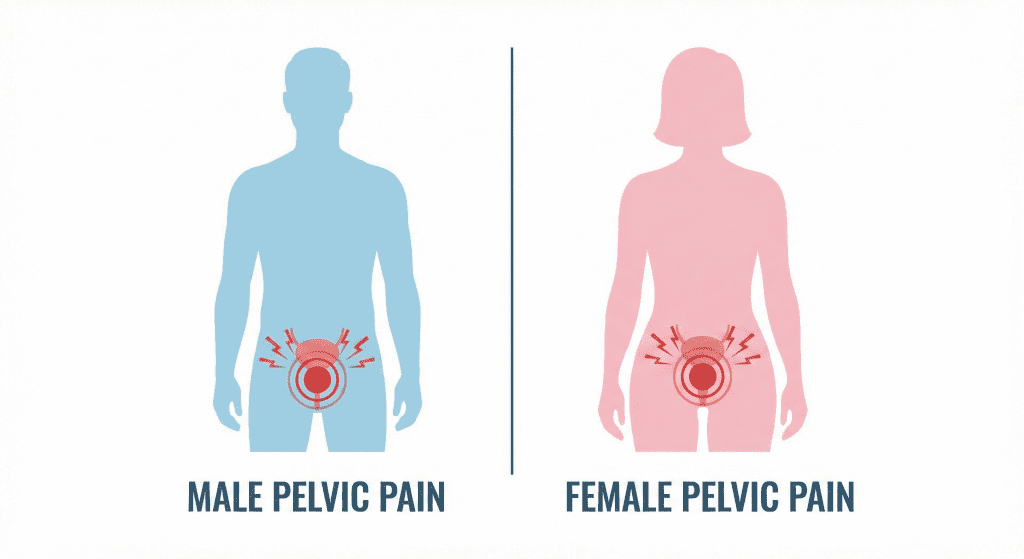
- Pelvic Pain: For women, this often manifests as pressure in the center of the pelvis. For men, the symptoms of urinary tract issues might feel like rectal pressure.
Differentiating Symptoms of Urinary Tract Issues in Men and Women
While the biology of urine production is the same, the anatomy of the exit route differs significantly between men and women. Consequently, the symptoms of urinary tract infections can present differently depending on gender.Symptoms of Urinary Tract Infections in Women
Women are anatomically more prone to UTIs because the urethra is shorter and closer to the anus, allowing bacteria easier access to the bladder.- Pelvic Pressure: Women frequently report a heavy, cramping sensation in the lower belly or pubic bone area as a primary indication of symptoms of urinary tract inflammation.
- Post-Coital Discomfort: Symptoms often flare up after sexual activity ("honeymoon cystitis"), leading to immediate burning or urgency.
Symptoms of Urinary Tract Disorders in Men
UTIs are less common in young men but become more frequent with age. When they do occur, the symptoms of urinary tract infections in men can be complicated by the prostate.- Prostatitis Mimicry: The symptoms of a UTI in men (burning, frequency) are virtually identical to prostatitis (inflammation of the prostate). A doctor must differentiate between the two.
- Discharge: Men are more likely to experience discharge from the urethra if the symptoms of urinary tract distress are actually caused by sexually transmitted infections (STIs) like chlamydia or gonorrhea, rather than a standard E. coli infection.
Symptoms of Urinary Tract Infections in Children and the Elderly
One of the most dangerous aspects of urology is that vulnerable populations often cannot articulate what they are feeling. The symptoms of urinary tract infections in young children or older adults often look nothing like the classic "burning pee."Pediatric Signs
A toddler cannot tell you their bladder hurts. Instead, look for:- Unexplained Fever: This is often the only sign.
- Regression in Potty Training: If a potty-trained child suddenly starts wetting the bed or having accidents, these are classic symptoms of urinary tract issues.
- Foul Smell: Parents often notice a strong odor in the diaper or urine before any other sign.
Geriatric Confusion
In the elderly, the immune system responds differently. Instead of a fever or pain, the symptoms of urinary tract infections often manifest neurologically.- Sudden Delirium: If an elderly relative suddenly becomes confused, agitated, or hallucinates, a UTI is often the first thing doctors check for.
- Falls and Dizziness: Weakness caused by the infection can lead to unexplained falls.
- Lethargy: Extreme fatigue may mask the localized symptoms of urinary tract pain that younger people feel.
Upper vs. Lower: Categorizing Symptoms of Urinary Tract Complications
Doctors divide the urinary tract into "upper" (kidneys and ureters) and "lower" (bladder and urethra). While lower tract infections are annoying and painful, upper tract infections are dangerous. Distinguishing between the symptoms of urinary tract infections in these two areas is vital.Lower Tract (Cystitis/Urethritis)
As mentioned, these symptoms of urinary tract issues are localized:- Burning (Dysuria)
- Frequency and Urgency
- Suprapubic pain (lower belly)
- Generally no fever or a very low-grade one.
Upper Tract (Pyelonephritis)
When bacteria travel up the ureters to the kidneys, the symptoms of urinary tract infection become systemic (affecting the whole body).- High Fever and Chills: Shaking chills and temperatures over 101°F (38.3°C) are red flags.
- Flank Pain: This is a distinct, deep ache in your back or side, just below the ribs. It is different from lower back muscle pain.
- Nausea and Vomiting: The infection is severe enough to cause gastrointestinal distress.

Non-Infectious Causes Mimicking Symptoms of Urinary Tract Problems
Not every burning sensation is an infection. Several other conditions can mimic the symptoms of urinary tract infections, leading to misdiagnosis if you self-treat.- Interstitial Cystitis (IC): Also known as painful bladder syndrome. Patients experience the chronic symptoms of urinary tract pain and urgency, but urine cultures come back negative for bacteria. It is a chronic condition, not an acute infection.
- Kidney Stones: When a stone moves into the ureter, it causes excruciating pain and blood in the urine—both are also symptoms of urinary tract infections. However, stone pain is usually sharper and comes in waves.
- Chemical Irritation: Bubble baths, harsh soaps, or certain feminine hygiene sprays can irritate the urethra, causing immediate symptoms of urinary tract discomfort that mimics an infection.
- Vaginitis or STIs: In women, yeast infections or bacterial vaginosis can cause burning that feels like a UTI. It is crucial to determine the source of the burning to treat the symptoms of urinary tract discomfort effectively.
When the Symptoms of Urinary Tract Issues Require Emergency Care
Most people try to flush out a UTI with water and cranberry juice. While hydration helps, some symptoms of urinary tract progression indicate you have moved past the point of home remedies. You must seek immediate medical care if:- Visible Blood: While microscopic blood is common, passing bright red blood or clots is a severe sign among the symptoms of urinary tract disorders.
- Back Pain + Fever: This combination almost always points to a kidney infection.
- Symptoms in Pregnant Women: UTIs during pregnancy can lead to premature labor. Any symptoms of urinary tract discomfort in pregnancy must be treated by a professional immediately.
- Symptoms in Men: Since UTIs are rare in men, they usually signal an underlying structural problem (like an enlarged prostate) that needs investigation.
How Doctors Diagnose Based on Symptoms of Urinary Tract Discomfort
When you visit a clinic like SurgiKure, the doctor will start by discussing your history of symptoms of urinary tract distress. The diagnosis process typically involves:- Urinalysis: A quick dipstick test to look for nitrites (produced by bacteria) and leukocytes (white blood cells fighting infection). If these are present alongside your physical symptoms of urinary tract pain, a diagnosis is usually confirmed.
- Urine Culture: This tells the doctor exactly which bacteria are causing the symptoms of urinary tract infection and which antibiotics will kill them.
- Imaging (Ultrasound/CT Scan): If you have recurrent infections, doctors may look for stones or structural abnormalities causing the recurring symptoms of urinary tract issues.
- Cystoscopy: For chronic sufferers, a tiny camera is used to look inside the bladder to see if other issues (like polyps or inflammation) are mimicking the symptoms of urinary tract infections.

Preventing the Symptoms of Urinary Tract Infections Before They Start
The best way to manage these painful issues is to prevent them from happening. While some people are genetically prone, lifestyle changes can significantly reduce the frequency of symptoms of urinary tract infections.- Hydration is Key: Drinking plenty of water dilutes your urine and ensures you urinate frequently, flushing out bacteria before the symptoms of urinary tract infection can begin.
- Wipe Front to Back: For women, this is the golden rule. It prevents bacteria from the anal region from spreading to the urethra and causing symptoms of urinary tract distress.
- Urinate After Sex: This helps flush out any bacteria that may have been pushed into the urethra during intercourse.
- Avoid Irritants: Skip the feminine deodorant sprays and douches. They upset the natural balance of flora and irritate the tissue, mimicking or causing symptoms of urinary tract problems.
- Cranberry Products: While not a cure, supplements containing proanthocyanidins (PACs) may help prevent bacteria from sticking to the bladder wall, reducing the onset of symptoms of urinary tract infections.
Conclusion: Don't Ignore the Symptoms of Urinary Tract Signals
Your urinary health is a window into your overall well-being. The symptoms of urinary tract infections—whether it is the burning pain of cystitis or the deep ache of a kidney infection—are your body’s way of asking for help. Ignoring these signs can turn a simple course of antibiotics into a hospital stay. By understanding the varied symptoms of urinary tract issues, from the silent confusion in the elderly to the fever in children, you become the best advocate for your own health. If you are currently experiencing any of the symptoms of urinary tract discomfort mentioned in this guide, do not wait. Early detection is the key to fast, effective relief.Ready to consult a specialist?
Free first consultation at SurgiKure. Same-day appointments available.