📝 Table of Contents
- Understanding the Types of Piles Medicine Available
- Topical Piles Medicine: Ointments and Creams
- Oral Piles Medicine: Painkillers and Flavonoids
- Laxatives as Essential Piles Medicine
- When Piles Medicine Is No Longer Enough
- Beyond Piles Medicine: Lifestyle Modifications & Precautions
- The Danger of Heavy Weightlifting
- The "Strain-Free" Rule
The Complete Guide to Piles Medicine: What Works for Relief?
If you are frantically searching for effective piles medicine, you are likely dealing with itching, burning, or pain that makes simply sitting down a challenge. You are not alone—hemorrhoids (piles) are one of the most common lifestyle ailments today. While surgery is the permanent fix for advanced stages, the first line of defense is almost always medication. Finding the right piles medicine can significantly reduce inflammation, stop the bleeding, and make your daily life bearable again. But with so many creams, gels, and tablets on the market, what should you actually use? In this guide, we will break down the different categories of medication available, how they work, and when it is time to stop the meds and see a specialist.Understanding the Types of Piles Medicine Available
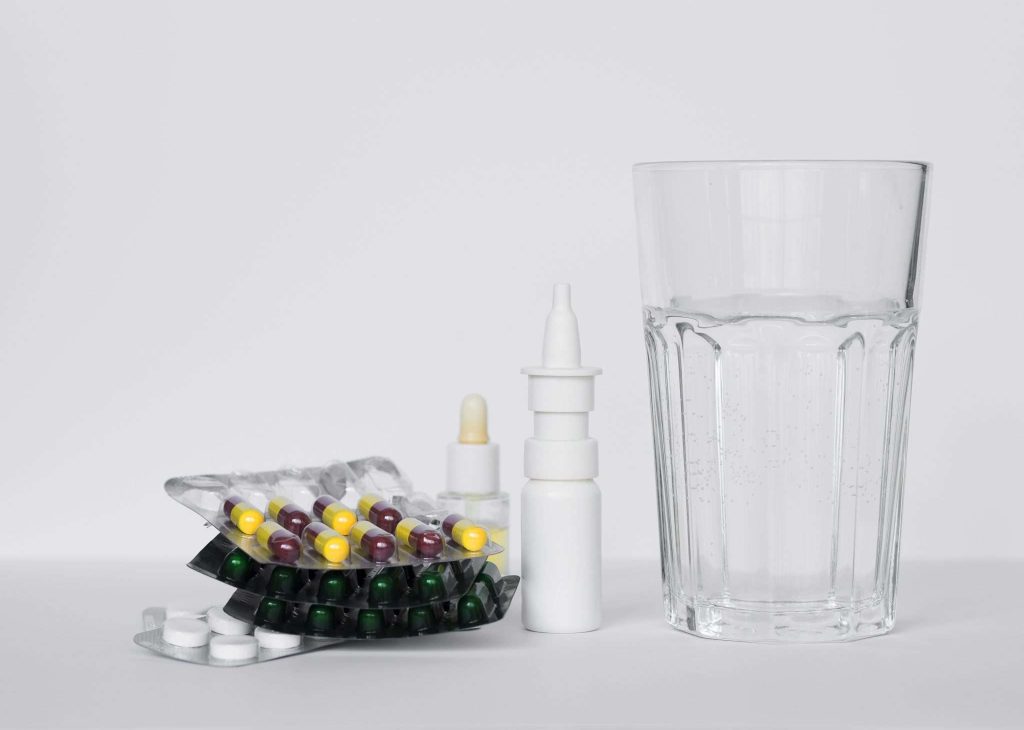
When doctors prescribe piles medicine, they aren't usually giving you a single "magic pill." Instead, the treatment is often a combination of different drugs designed to tackle specific symptoms—pain, swelling, and constipation. Generally, piles medicine falls into three main categories:- Topical Agents (Creams/Ointments): For immediate surface relief.
- Oral Medications (Tablets): To improve blood flow and reduce pain.
- Laxatives/Stool Softeners: To prevent further damage.
Topical Piles Medicine: Ointments and Creams
For external hemorrhoids or internal ones that have prolapsed, topical piles medicine is often the go-to solution for instant relief. These are applied directly to the affected area to numb the pain or shrink the swelling. Most over-the-counter (OTC) creams contain a mix of ingredients:- Local Anesthetics (e.g., Lidocaine): These numb the area temporarily. If your main complaint is burning pain, a piles medicine containing lidocaine can be a lifesaver before a bowel movement.
- Corticosteroids (e.g., Hydrocortisone): Steroids are powerful anti-inflammatory agents. They reduce the redness and swelling of the pile mass. However, doctors advise against using steroid-based piles medicine for more than a week, as it can thin the sensitive skin around the anus.
- Vasoconstrictors: Some ointments contain compounds (like phenylephrine) that tighten blood vessels, temporarily shrinking the hemorrhoid tissue.
Oral Piles Medicine: Painkillers and Flavonoids
While creams treat the surface, oral piles medicine works from the inside.- Analgesics (Painkillers): Simple NSAIDs like Ibuprofen or Paracetamol can help manage the deep, throbbing ache associated with thrombosed piles.
- Flavonoids: You may have heard of medicines like Daflon. These are micronized purified flavonoid fractions. This type of piles medicine works by improving venous tone (strengthening the vein walls) and lymphatic drainage. They are often prescribed for acute flare-ups to control bleeding and reduce the duration of the attack.

Laxatives as Essential Piles Medicine
You might not think of a laxative as a "treatment," but in the world of proctology, it is perhaps the most critical piles medicine you can take. The root cause of piles is often straining due to constipation. Hard stool acts like sandpaper on swollen veins, causing bleeding and pain.- Stool Softeners: These draw water into the bowel, making the stool softer and easier to pass without straining.
- Fiber Supplements (Psyllium Husk/Isabgol): Natural bulk-forming agents that regulate bowel movements.
When Piles Medicine Is No Longer Enough
It is important to understand that piles medicine is largely used for symptom management, not a cure. Creams and pills can settle a flare-up, but they cannot physically remove the swollen tissue or fix a prolapse that refuses to go back inside. You should stop relying solely on piles medicine and visit a clinic like SurgiKure if:- You have been using creams for 7 days with no improvement.
- You experience heavy bleeding that makes you feel dizzy.
- The pain is severe and accompanied by fever.
- You notice a hard, purple lump outside the anus (thrombosis).

Beyond Piles Medicine: Lifestyle Modifications & Precautions
You can take the best piles medicine in the world, but if your daily habits continue to put pressure on your rectal veins, the relief will only be temporary. Medication works best when you create an environment for your body to heal. To ensure your piles medicine is effective and to prevent your condition from advancing to a more severe stage, you must make specific lifestyle changes.
The Danger of Heavy Weightlifting
If you are a gym-goer or have a job that requires heavy manual labor, you need to be extremely cautious. Lifting heavy weights—especially exercises like squats, deadlifts, or overhead presses—increases intra-abdominal pressure significantly.
-
Why it hurts: When you hold your breath and push to lift a heavy weight (the Valsalva maneuver), that pressure is forced downward onto your pelvic floor.
-
The Risk: This pressure can force internal hemorrhoids to prolapse (push out), instantly taking a manageable Stage 1 condition to a painful Stage 3 or 4.
-
The Fix: If you are currently taking piles medicine for a flare-up, pause the heavy lifting. Switch to low-impact cardio or yoga until the inflammation subsides.
The "Strain-Free" Rule
The golden rule of hemorrhoid recovery is to keep your pelvic area "strain-free." Straining on the toilet is the number one enemy of piles medicine.
-
Don't force it: If you don't feel the urge, don't sit on the toilet "waiting" for it to happen.
-
Avoid distractions: scrolling through your phone turns a 5-minute bathroom break into a 20-minute sitting session. Gravity pulls blood into the hemorrhoidal veins the longer you sit, increasing swelling and counteracting the effects of your medicine.
-
Listen to your body: Go as soon as you feel the urge. Delaying it causes the stool to harden, which leads to more straining later.
Conclusion: Choosing the Right Piles Medicine
Living with hemorrhoids is painful, but the right piles medicine can offer you the respite you need. Whether it is a soothing ointment to stop the itch or a stool softener to ease your morning routine, these medications are vital tools. However, never self-medicate for long periods. If your symptoms persist, it’s time to put down the piles medicine and pick up the phone to call a specialist. Early intervention often means a simple, painless cure rather than complex surgery later. Are you tired of relying on painkillers? Contact SurgiKure today for a permanent solution.Ready to consult a specialist?
Free first consultation at SurgiKure. Same-day appointments available.