📝 Table of Contents
- What are high fiber meals for constipation and why do they matter?
- How high fiber meals for constipation improve digestive health
- Daily fiber requirements for adults and elderly
- Best high fiber foods used in high fiber meals for constipation
- High fiber meals for constipation: Breakfast ideas
- High fiber meals for constipation: Lunch options
- High fiber meals for constipation: Dinner selections
- Role of hydration with high fiber meals for constipation
Introduction: High fiber meals for constipation
Constipation is one of the most common digestive concerns affecting adults and the elderly. Busy lifestyles, low physical activity, dehydration, medications, and aging-related digestive changes often slow bowel movements. One of the simplest and most effective ways to manage this issue is through high fiber meals for constipation.
Dietary fiber plays a key role in maintaining gut health. It adds bulk to stool, supports smooth bowel movements, and feeds beneficial gut bacteria. In this blog, we’ll explore how high fiber meals for constipation can help, which foods work best, how adults and seniors can include them daily, and what science says about fiber and digestion.
What are high fiber meals for constipation and why do they matter?
High fiber meals for constipation are meals built around fiber-rich foods such as whole grains, fruits, vegetables, legumes, nuts, and seeds. Fiber is a plant-based carbohydrate that the body cannot digest, but it plays a powerful role in gut movement.
There are two main types of fiber:
-
Soluble fiber – Absorbs water and forms a gel-like substance, softening stool.
-
Insoluble fiber – Adds bulk and helps stool move faster through the intestines.
A balanced intake of both types is essential for constipation relief, especially for older adults whose digestive systems may be slower. According to research published in The American Journal of Clinical Nutrition, higher fiber intake is strongly associated with improved stool frequency and reduced constipation symptoms.
How high fiber meals for constipation improve digestive health
High fiber meals for constipation work in multiple ways:
-
Increase stool bulk and softness.
-
Reduce intestinal transit time.
-
Improve gut microbiome balance.
-
Reduce strain during bowel movements.
-
Support colon health.
For elderly individuals, fiber also helps reduce the risk of hemorrhoids, diverticular disease, and other gastrointestinal discomforts.
Daily fiber requirements for adults and elderly
The recommended daily fiber intake is:
-
Adult men: 30–38 grams.
-
Adult women: 21–25 grams.
-
Elderly adults: At least 21–30 grams depending on calorie intake.
Unfortunately, most people consume less than half of the recommended amount. Including high fiber meals for constipation at breakfast, lunch, and dinner helps meet these goals naturally. The World Health Organization and Harvard School of Public Health both emphasize fiber as a cornerstone of digestive wellness.
Best high fiber foods used in high fiber meals for constipation
Including a variety of these foods ensures both soluble and insoluble fiber intake:
-
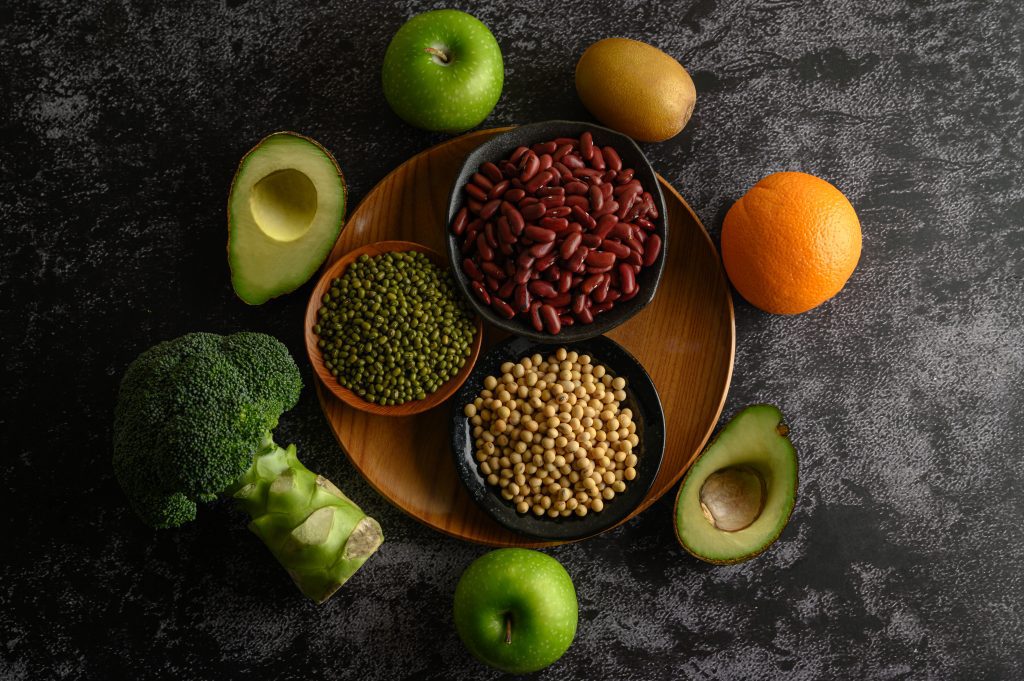
Whole grains: Oats, brown rice, whole wheat bread, barley, and millets.
-
Fruits: Apples (with skin), pears, berries, oranges, and papaya.
-
Vegetables: Broccoli, carrots, spinach, green beans, and sweet potatoes.
-
Legumes: Lentils, chickpeas, kidney beans, and black beans.
-
Nuts and seeds: Almonds, walnuts, chia seeds, and flaxseeds.
High fiber meals for constipation: Breakfast ideas
A fiber-rich breakfast sets the tone for digestion throughout the day. Adults and elderly individuals benefit from starting the morning with whole grains and fruits.
Examples of high fiber breakfast combinations:
-
Oat-based meals with fruits and seeds.
-
Whole grain toast with vegetables.
-
Fruit bowls paired with nuts.
High fiber meals for constipation: Lunch options
Midday meals should focus on vegetables, legumes, and whole grains.
High fiber lunch meal patterns include:
-
Grain bowls with vegetables and beans.
-
Legume-based meals with greens.
-
Mixed vegetable meals with whole grains.
High fiber meals for constipation: Dinner selections
Dinner should be light yet fiber-rich, especially for elderly individuals.
Balanced high fiber dinner combinations:
-
Cooked vegetables with whole grains.
-
Lentils paired with greens.
-
Vegetable-based meals with seeds.
Role of hydration with high fiber meals for constipation
Fiber works best when paired with adequate hydration. Without enough water, fiber may actually worsen constipation.
Tips:
-
Drink water throughout the day.
-
Include soups and water-rich fruits.
-
Limit excessive caffeine and alcohol.
High fiber meals for constipation and aging digestion
As people age, digestive enzymes slow down and gut muscles weaken. High fiber meals for constipation help counter these changes naturally.
Benefits for the elderly include:
-
Reduced dependency on laxatives.
-
Improved nutrient absorption.
-
Better gut comfort.
-
Enhanced quality of life.
Scientific evidence supporting high fiber meals for constipation
Several studies support fiber intake for constipation:
-
American Journal of Gastroenterology: Fiber improves stool frequency.
-
NIH: Dietary fiber reduces chronic constipation risk.
-
Harvard Medical School: Fiber supports gut microbiome health.
Common mistakes when increasing fiber in high fiber meals for constipation
-
Increasing fiber too quickly (leads to gas and bloating).
-
Not drinking enough water.
-
Relying only on supplements instead of whole foods.
-
Ignoring variety in food sources.
Final thoughts on high fiber meals for constipation
High fiber meals for constipation offer a natural, safe, and effective solution for adults and the elderly. By focusing on whole foods, balanced meals, and consistent hydration, digestive health can improve significantly without harsh medications.
If constipation persists, consulting a healthcare professional is always recommended.
Ready to consult a specialist?
Free first consultation at SurgiKure. Same-day appointments available.