
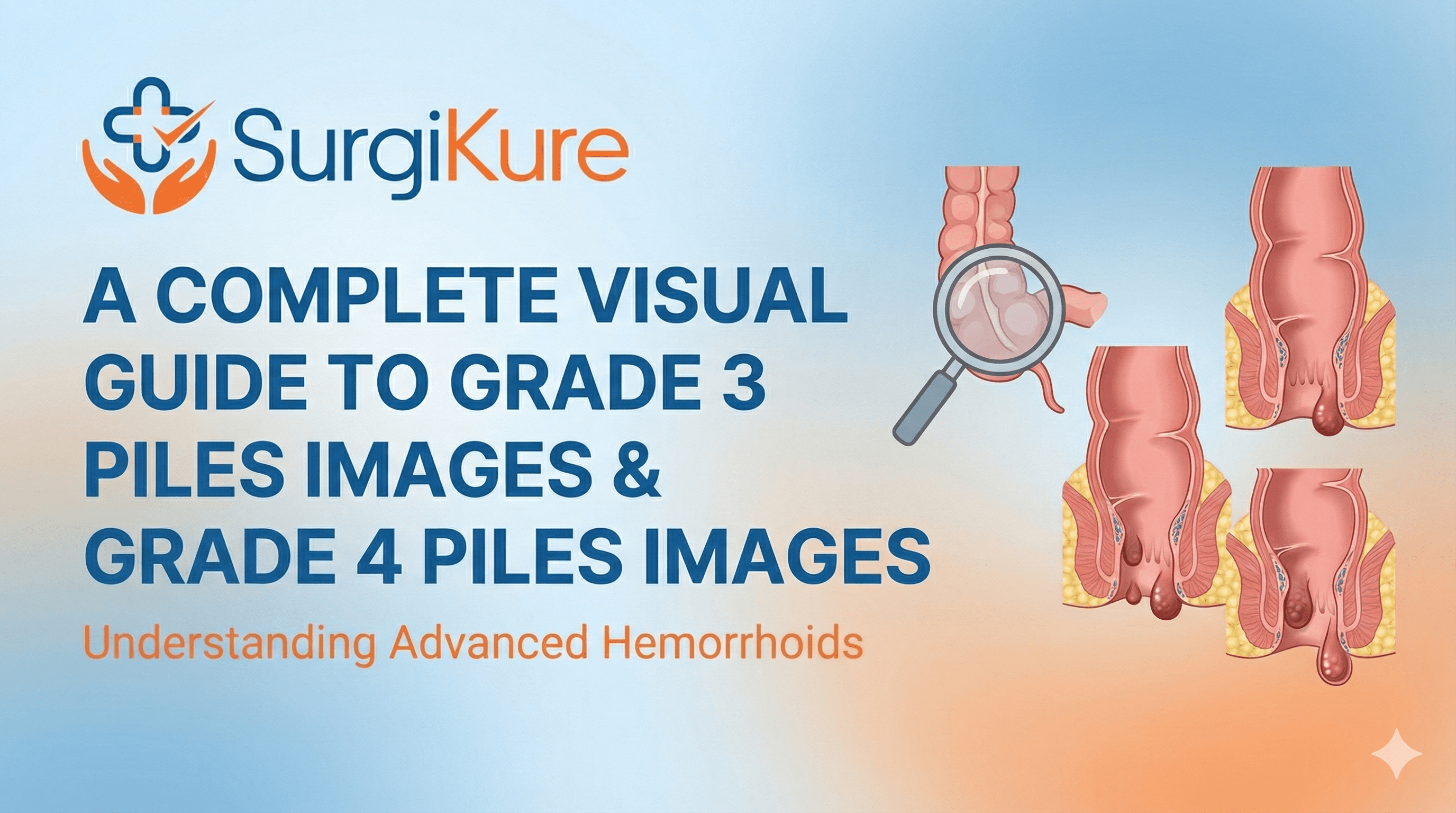
A Complete Visual Guide to Identifying Grade 3 and Grade 4 Piles Images
Hemorrhoids, commonly known as piles, are one of those health conditions that people hesitate to talk about. The silence often leads to confusion. You might feel a lump, experience pain, or see blood, but without a frame of reference, it is incredibly difficult to know the severity of your condition.
If you are searching for Grade 3 piles images or Grade 4 piles images, chances are you are already experiencing significant discomfort and are looking for confirmation before visiting a doctor. You are not alone. Millions of people suffer from advanced hemorrhoids, but because we rarely see “examples” of what is happening down there, anxiety tends to spiral.
This guide is written to help you visualize and understand the difference between these advanced stages. While we cannot provide actual medical photographs here, we will describe exactly what Grade 3 piles images and Grade 4 piles images typically depict, how they differ in appearance and feel, and what your next steps should be.
The Progression of Piles: Why Grades Matter
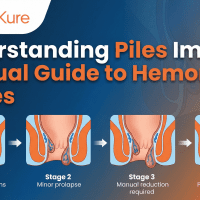
Before we dive into the specifics of Grade 3 and 4, it is vital to understand that piles are essentially swollen blood vessels inside or around the rectum. Doctors classify internal hemorrhoids into four grades based on how much they prolapse (fall out of the anus).
- Grade 1: Small swellings inside the lining. They do not come out.
- Grade 2: They prolapse when you strain (like during a bowel movement) but go back in on their own.
Then, we enter the advanced stages: Grade 3 and Grade 4. This is where the condition becomes physically intrusive and often painful. The difference between these two grades usually dictates the type of treatment you need, ranging from minimally invasive procedures to surgical intervention.
Identifying the Signs in Grade 3 Piles Images
When medical professionals look at Grade 3 piles images, they are looking for a specific mechanical characteristic: manual reduction.
Grade 3 hemorrhoids are internal hemorrhoids that have worsened over time. The key defining feature is that the hemorrhoid prolapses (comes out of the anus) during a bowel movement or physical exertion, and it does not go back in on its own. However, it can be pushed back in (manually reduced) with your finger.
What Do Grade 3 Piles Images Actually Look Like?
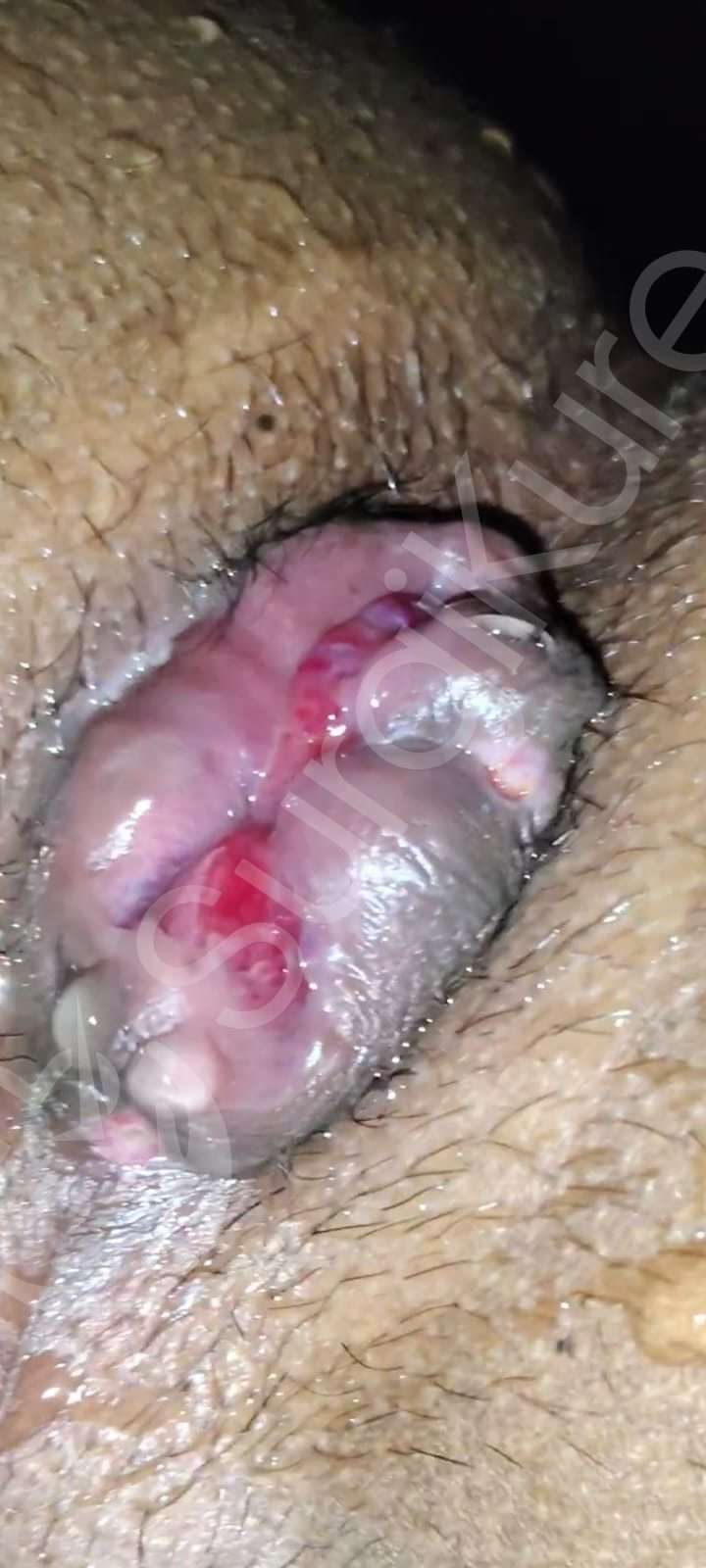
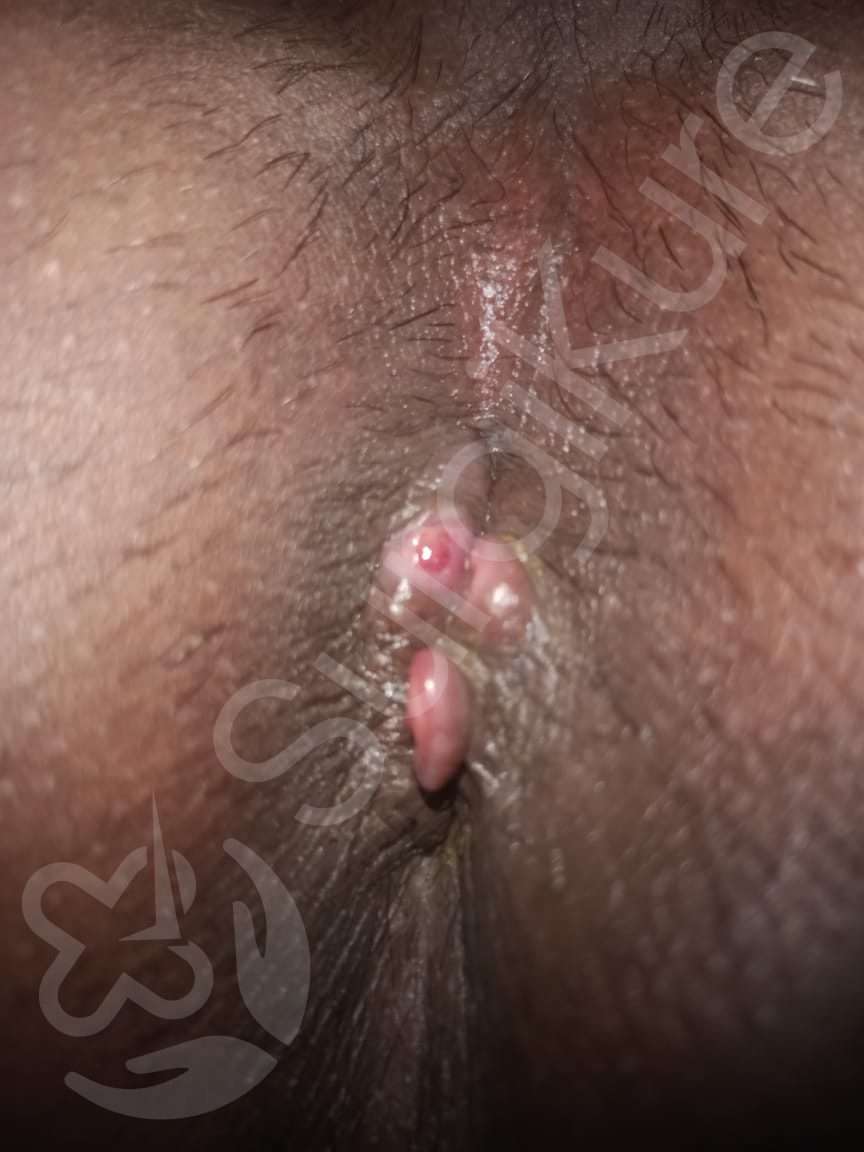
If you were to look at a clinical representation or Grade 3 piles images, here is what you would typically see:
- The Prolapse: You will see fleshy, soft lumps protruding from the anal opening. Unlike external skin tags, these are mucous membrane tissue coming from inside the body.
- Color and Texture: The tissue often appears moist. The color can range from a deep pink to a bright red. Because they are mucous membranes, they may look shiny compared to the surrounding skin.
- Size: They can vary from the size of a grape to something larger depending on inflammation.
- Positioning: In Grade 3 piles images, the prolapse is evident, but the caption or context would explain that this mass can be tucked back inside.
The Physical Sensation: Patients often describe Grade 3 piles as feeling like a “fullness” or a lump that descends when they use the toilet. There is often a psychological burden here—the need to physically push the tissue back inside is a clear sign that the body’s structural support in the anal canal is failing.
The Severity of Grade 4 Piles Images
Moving up the scale, we reach the most severe stage. Grade 4 piles images represent a condition that has become permanent and often urgent.
Grade 4 hemorrhoids are permanently prolapsed. This means the swollen tissue hangs out of the anus all the time. No matter how much you try to push them back in, they will not stay inside. This is often because the anal sphincter muscles clamp down on the prolapsed tissue, trapping it outside.
Distinguishing Characteristics of Grade 4 Piles Images
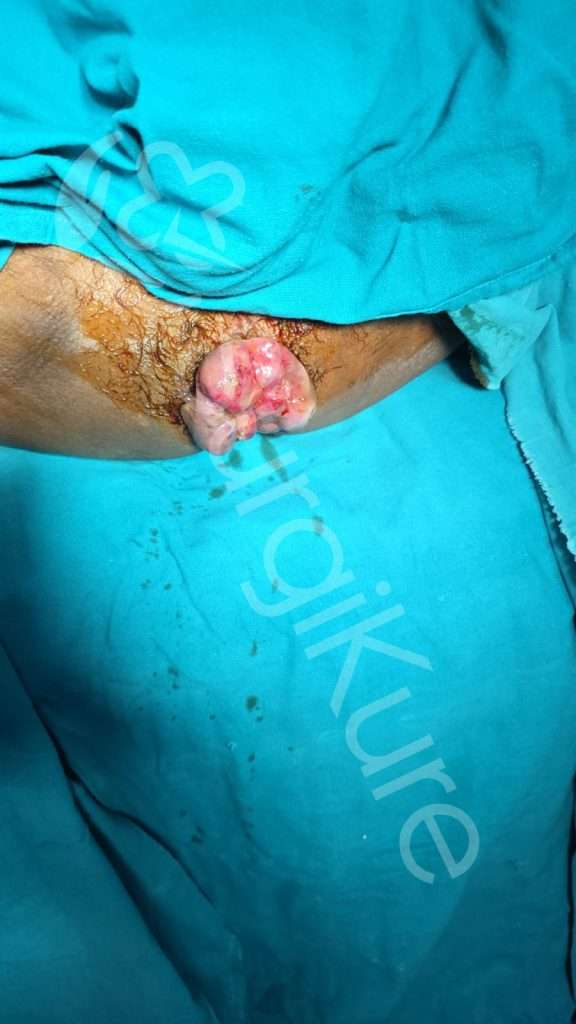
When examining Grade 4 piles images, the visual markers are distinct and often look more “angry” or severe than Grade 3.
- Permanent Protrusion: The most obvious visual in Grade 4 piles images is the constant presence of tissue outside the anus. It is there when you wake up, when you stand, and when you sleep.
- Color Changes: While Grade 3 piles are often pink or red, Grade 4 piles can undergo color changes due to restricted blood flow. If the muscle clamps down too hard (strangulation), the tissue may turn dark purple, blue, or even blackish. This indicates a lack of oxygen to the tissue, which is a medical emergency.
- Inflammation and Swelling: The tissue is usually very swollen. Because it is constantly exposed to friction from underwear and sweat, the skin around the piles may look irritated, raw, or ulcerated.
- Mucoid Discharge: You might notice a shiny glaze over the area in these images. This is mucus from the internal lining of the rectum leaking out, which can cause severe itching (pruritus ani).
The Physical Sensation: Pain is usually a major factor here. While early-grade internal piles are often painless, Grade 4 piles are extremely sensitive. Sitting down can be agonizing. Patients describe it as sitting on a hard rock or a painful ball.
Comparing the Visuals: Grade 3 vs. Grade 4
To clarify the differences, let’s look at a direct comparison. This table helps break down what you are seeing when you search for Grade 3 piles images versus Grade 4 piles images.
| Feature | Grade 3 Piles | Grade 4 Piles |
| Prolapse Status | Comes out during BM, can be pushed back. | Permanently out. Cannot be pushed back. |
| Visual Appearance | Pink/Red, moist lumps. | Dark Red/Purple, swollen, potentially ulcerated. |
| Pain Level | Moderate discomfort, irritation. | Significant pain, constant throbbing. |
| Risk of Complication | Moderate risk of bleeding. | High risk of thrombosis (clotting) and strangulation. |
| Treatment Urgency | Elective surgery or procedure. | Urgent medical attention often required. |
Why Visual Diagnosis Isn’t Enough
While searching for Grade 3 piles images and Grade 4 piles images is a great way to educate yourself, self-diagnosis has its limits.
The anus is a complex area. What looks like a Grade 4 pile to you could actually be a rectal prolapse (where the entire rectum lining comes out, not just the hemorrhoid cushions), a skin tag, a fissure, or in rare cases, an anal growth.
Doctors use an anoscope or a sigmoidoscope to look inside the canal. They aren’t just looking at the prolapse you see in the mirror; they are checking the health of the tissue further up the canal to rule out other causes of bleeding, such as polyps or IBD (Inflammatory Bowel Disease).
Treatment Options for Advanced Grades
If you identify with the descriptions of Grade 3 piles images or Grade 4 piles images, over-the-counter creams are unlikely to cure you. They may soothe the area temporarily, but they cannot fix the mechanical problem of prolapsed tissue.
Treating Grade 3 Piles
Since these can still be reduced, you have a few options:
- Rubber Band Ligation: Sometimes effective for early Grade 3, but often less effective if the pile is very large.
- Doppler-Guided Hemorrhoidal Artery Ligation (DGHAL): Cutting off the blood supply using ultrasound guidance.
- Laser Hemorrhoidoplasty: Shrinking the tissue with laser energy.
Treating Grade 4 Piles
Because the tissue is permanently out and often fibrotic (hardened), surgery is usually the gold standard.
- Stapled Hemorrhoidopexy (PPH): Uses a circular stapler to lift the tissue back up and cut off blood supply.
- Hemorrhoidectomy: The surgical removal of the excess tissue. This is the most effective treatment for severe Grade 4 piles images scenarios, offering the lowest chance of recurrence.
Living with Advanced Piles: A Human Perspective
It is easy to look at Grade 3 piles images and view them as just a medical condition, but the reality of living with them is draining.
It changes your routine. You might find yourself planning your day around bathroom breaks. You might avoid wearing light-colored trousers for fear of leakage. You might decline social invitations that involve long periods of sitting or physical activity.
For those with Grade 4 piles, the constant friction can cause hygiene issues. Cleaning the area becomes difficult because the protruding tissue gets in the way, leading to a cycle of itching and irritation.
If you are reading this and nodding along, please know that this is not something you have to “just live with.” The transition from Grade 3 to Grade 4 can happen slowly, but once you reach Grade 4, the quality of life drops significantly. The images you see online are static, but the condition is dynamic and progressive.
FAQ: Grade 3 Piles Images & Grade 4 Piles Images
Q1: Can I revert Grade 4 piles back to Grade 3 naturally? A: Generally, no. Once the connective tissue has stretched to the point of permanent prolapse (Grade 4), diet and exercise rarely reverse the physical sagging of the tissue. They can help reduce inflammation and bleeding, but the prolapse usually requires intervention.
Q2: I looked at Grade 3 piles images, and mine look similar but bleed heavily. Is that normal? A: Yes, Grade 3 piles are very prone to bleeding. Because the tissue moves in and out of the anus, it is subject to friction and trauma during bowel movements, which often causes the blood vessel walls to break.
Q3: Do Grade 4 piles images always show purple lumps? A: Not always, but frequently. A purple or blue hue indicates “thrombosis” (a blood clot) or strangulation. If your piles look pink, they are likely just prolapsed. If they turn dark purple and cause extreme pain, go to the Emergency Room immediately.
Q4: Are the surgeries for Grade 3 and Grade 4 painful? A: Traditional surgery (Hemorrhoidectomy) has a reputation for being painful during recovery, but modern techniques like Laser surgery or Stapled procedures have significantly reduced recovery pain. Your doctor can recommend the best method based on your specific anatomy.
Q5: Why do Grade 3 piles images sometimes look like Grade 2? A: Visually, a Grade 2 pile that is currently prolapsed looks exactly like a Grade 3 pile that is prolapsed. The difference is what happens next. If it goes back in on its own after 10 minutes, it is Grade 2. If you have to push it in, it is Grade 3.
Conclusion: Don’t Wait for the Picture to Get Worse
Searching for Grade 3 piles images and Grade 4 piles images is a brave first step. It means you are ready to acknowledge the problem. However, looking at images can only tell you so much.
The difference between a manageable condition and a medical emergency can sometimes be a matter of days if a Grade 4 pile becomes strangulated. If you recognize your symptoms in the descriptions of Grade 3 or Grade 4, the best thing you can do is book a consultation with a proctologist or colorectal surgeon.
Modern medicine offers dignified, quick, and effective solutions. You do not have to live in pain or embarrassment.

No matter what stage of hemorrhoids you are experiencing, you do not have to live with the pain or embarrassment. SurgiKure offers advanced, specialized treatments tailored to every grade of piles to ensure lasting relief. Contact our expert team today to book your consultation and take the first step toward recovery.
One Comment