You may have seen individuals with swollen, twisted veins under the skin, most commonly on the legs. In medical terminology, these are called varicose veins. If you are planning to undergo varicose veins treatment in Vijayawada and are actively searching the internet for the best varicose doctor near me, then you are in the right place. Vijayawada features a rich repertoire of varicose vein doctors offering specialized treatment for varicose veins. However, finding the best vein doctor for varicose treatment is like finding a needle in a haystack.
To make your job easier, we have provided all the required information that helps you pick the best option that suits your needs. Also, this guide covers all the relevant information, such as introduction, diagnosis, treatment, and Varicose vein complications. Cost of varicose vein treatment, post-surgical care, and lifestyle tips to manage varicose veins.
What are varicose veins?
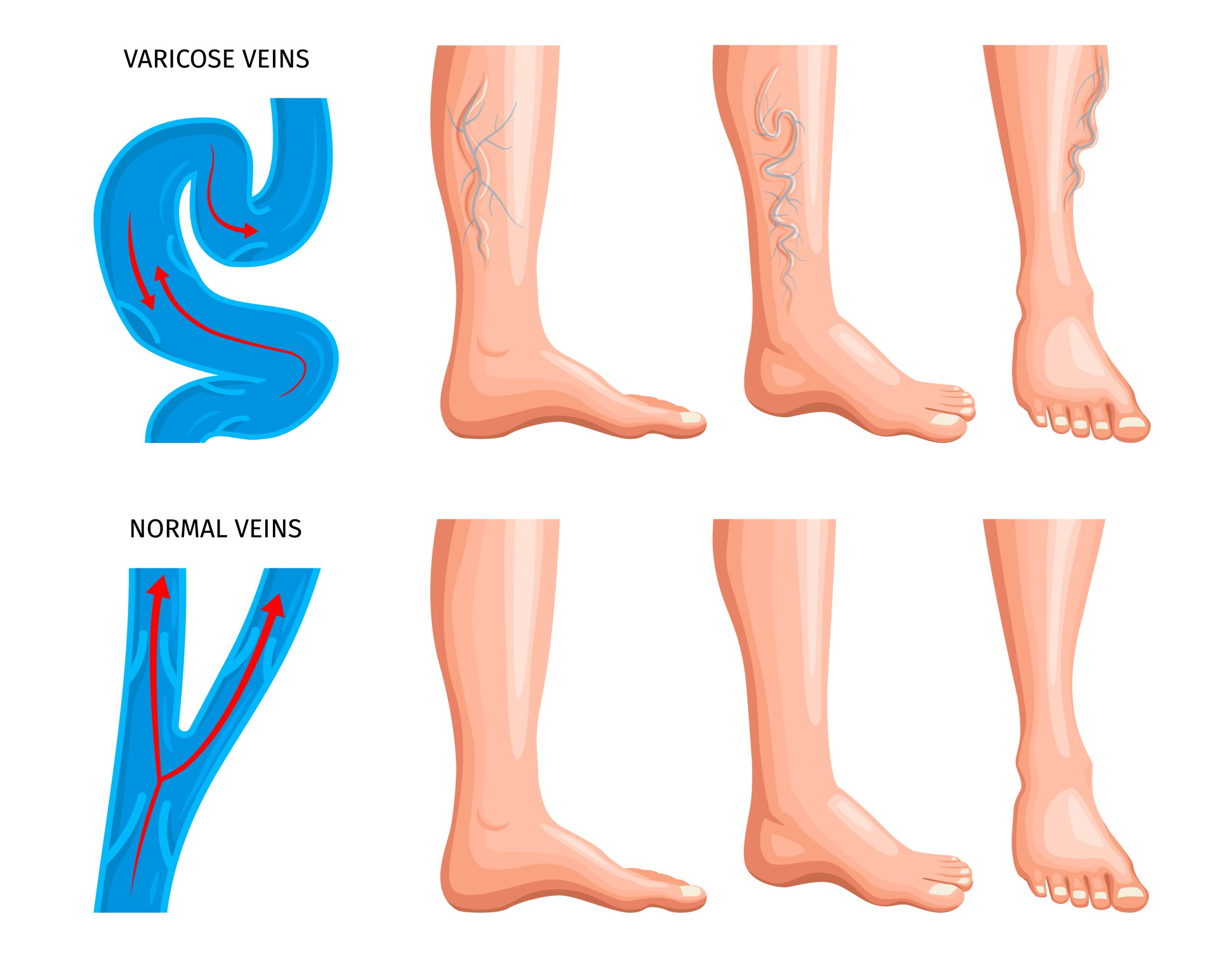
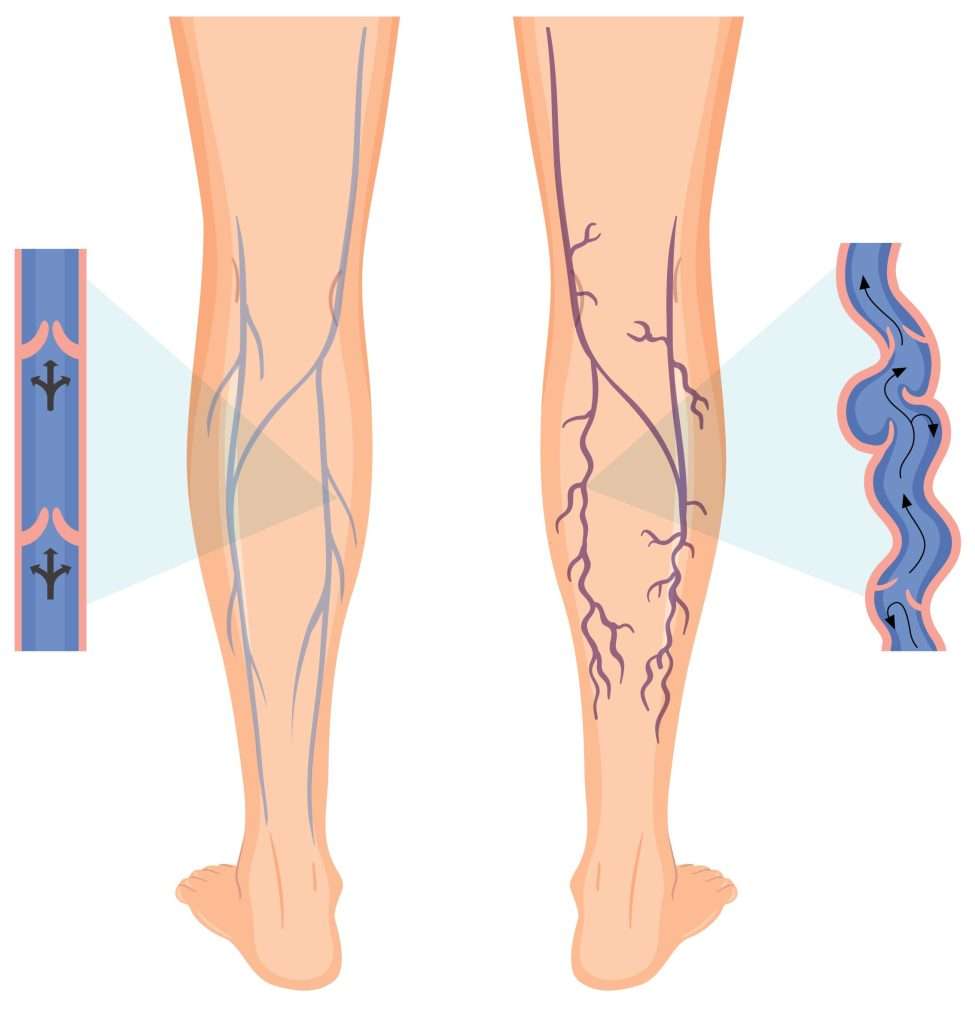
For those who may not know, varicose veins are swollen, twisted veins that often appear as prominent bulges under the skin on the legs. They appear in colors like red, blue, or purple and can be seen beneath the skin in the feet, ankles, and legs. If not addressed, they can lead to severe complications, including itching, swelling, and potentially serious vascular issues. Varicose veins may not cause any pain.
Causes of Varicose veins
The valves in the veins become damaged, resulting in the development of varicose veins. Veins, also known as collecting vessels, collect blood from various parts of the body to the heart. Arteries, in contrast, transport blood from the heart to various parts of the body. Varicose veins develop as a result of malfunctioning valves in the veins. When blood flows toward the heart, the valves in the veins open. They are sealed to stop blood from flowing in reverse. If these valves are weak or damaged, blood begins to pool in the dilated veins, causing swelling and bulging, which eventually leads to the development of varicose veins.
The walls of the veins can weaken as a result of various factors that encompass:
- Standing or sitting for prolonged durations
- Ageing
- Obesity
- Family history
- Pregnancy
Veins diagnosis
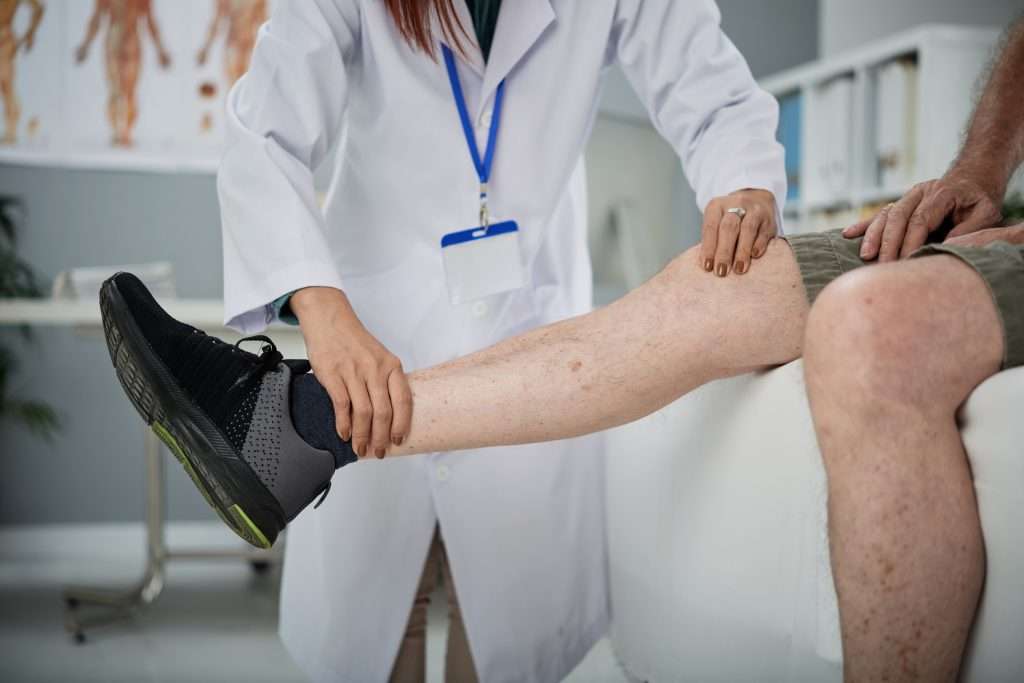
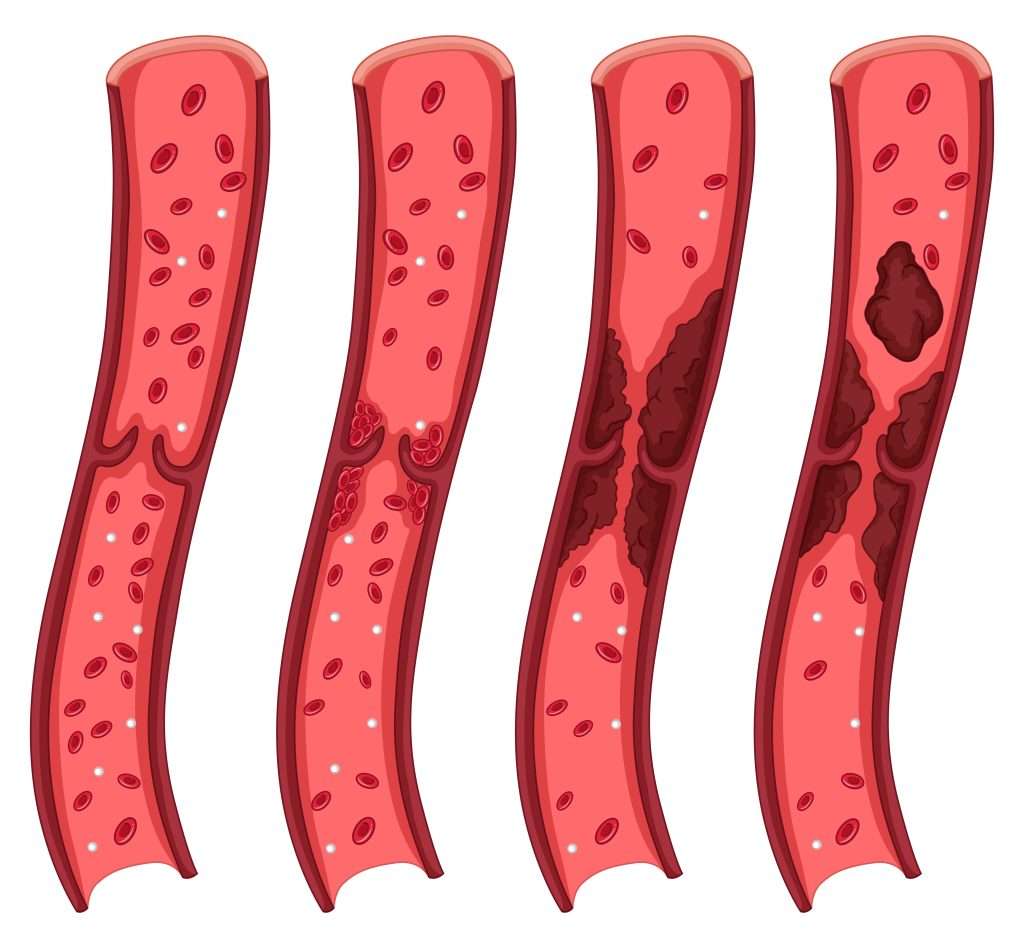
The vascular expert will evaluate your varicose vein symptoms, review your family medical history, and perform a physical examination. He will check the veins for any swelling and discoloration. Then check your legs during different postures, such as sitting and standing. In addition to the physical assessments, the varicose vein specialist recommends imaging tests to provide further confirmation of the condition. The most prominent one is the Duplex Ultrasound (DUS), which helps assess the function of the venous valves and also checks for any blood clots. In this test, images of blood flow in the veins are created using sound waves. This test identifies the areas with backward reflux, indicating a backward blood flow. Other imaging tests, such as venograms, may also be performed.
Family history
In the first consultation, the varicose vein specialist goes over the symptoms, the presence of varicose veins, family background, and your way of living.
Different Types of Vein Specialists
Phlebologists
These doctors undergo specialized training in phlebology through various certifications. Their scope is limited to treating certain vein conditions. Coming to expertise, Phlebologists primarily focus on minimally invasive techniques like laser therapy, sclerotherapy, and other ultrasound-guided procedures.
Vascular Surgeons
Vascular surgeons are expert practitioners who possess a comprehensive understanding of the complete vascular system, encompassing both arteries and veins. They have a wide range of expertise, starting from cosmetic surgeries, venous ulcers, and deep vein thrombosis. various treatments that include medications and physical therapy. They are quite versatile and able to perform complex open surgeries, minimally invasive procedures, and catheter-based procedures.
Interventional Radiologists
These medical doctors diagnose a variety of conditions through minimally invasive procedures guided by imaging procedures. They use real-time imaging to guide the instruments through small incisions and perform the surgical procedures. X-rays, MRI, CT scans, and Ultrasound are used to visualize the target area and guide surgical instruments.
Criteria for selecting the best varicose doctor
Several factors to consider when selecting the top varicose vein specialist include:
- Board Certification
- Experience and Specialization
- Technology and Techniques
- Hospital Affiliations
- Clinic Accreditations
Modern Varicose Vein Treatment Options
Varicose veins do not always require treatment. If the symptoms are significant, such as leg swelling, itching, changes in the skin, and discomfort, your vein specialist will likely recommend treatment. Several treatment options are available, including blocking blood flow to the veins, surgical removal of varicose veins, and wearing compression stockings. Let’s dig deep into each of the available treatment options.
Endovenous Laser Ablation (EVLA)
A less invasive method is employed to close off the troubled veins using laser energy.
Procedure
This procedure includes the following steps.
- The varicose doctor creates a small incision and inserts a catheter into the varicose vein. This process is guided by ultrasound to visualize the vein and correct the positioning of the laser.
- Apply gentle heat using a laser fiber inserted inside the catheter to close the affected veins
Due to its minimally invasive nature, this procedure effectively closes varicose veins and enhances blood circulation. Furthermore, the EVLA procedure has a high success rate and helps in quick patient recovery.
Radiofrequency Ablation (RFA)
A minimally invasive procedure that employs radio waves to remove or destroy abnormal tissue. This procedure is commonly used to treat chronic pain, tumor treatment, besides varicose veins. The radiofrequency ablation (RFA) technique is minimally invasive and physicians can target the affected area accurately. Other potential benefits are minimal side effects and long-lasting relief.
Procedure
- In this treatment, a slender electrode is inserted into the targeted tissue.
- The electrode delivers the radiofrequency energy
- The generated heat destroys the targeted cells
Sclerotherapy
It is primarily used for treating spider veins and varicose veins.
Procedure
In this medical procedure, a sclerosing substance is injected into the damaged vein, irritating the lining of the vein, which results in the walls collapsing and ultimately being absorbed. The body absorbs these collapsed veins. It is a safe, simple, and effective procedure and does not require any hospitalization. Potential side effects include temporary skin discoloration, skin itching, and bruising.
VenaSea Closure System
A medical adhesive, a cyanoacrylate-based formulation, is used to close off the dead vein, thereby redirecting the blood to healthier veins. It is a minimally invasive procedure resulting in slight discomfort and faster recovery.
Procedure
Using ultrasound, a hollow tube (catheter) is inserted into the affected vein, which delivers the VenaSeal adhesive. This adhesive hardens upon contact with blood, eventually closing the vein. The procedure is minimally invasive, non-thermal, non-sclerosant, and performed in an outpatient setting. As compared to other treatments, the procedure involves minimal bruising and pain. Also, the procedure does not involve any heat or local anesthesia.
Ambulatory Phlebectomy
Ambulatory Phlebectomy is performed to eliminate superficial varicose veins along with other smaller veins that branch from them.
Procedure
The surgeon specializing in varicose veins creates small cuts and openings to grasp and extract the varicose vein with a hook. Performed under local anesthesia, this procedure allows the patient to remain conscious throughout. They will be able to return to their usual activities nearly right after the surgery. The treatment procedure is minimally invasive with little to no scarring and is highly effective.
Conclusion
If you have twisted veins in the legs and suspect it as varicose veins, consult a Varicose doctor immediately. To find the best specialist, you can search for ‘Varicose doctor near me’. Make a list of all your symptoms and discuss it with the doctor during the consultation. After evaluation, the vein doctor decides the appropriate treatment based on the needs and preferences. The availability of minimally invasive procedures coupled with advanced treatment options ensures minimal complications and swift recovery.